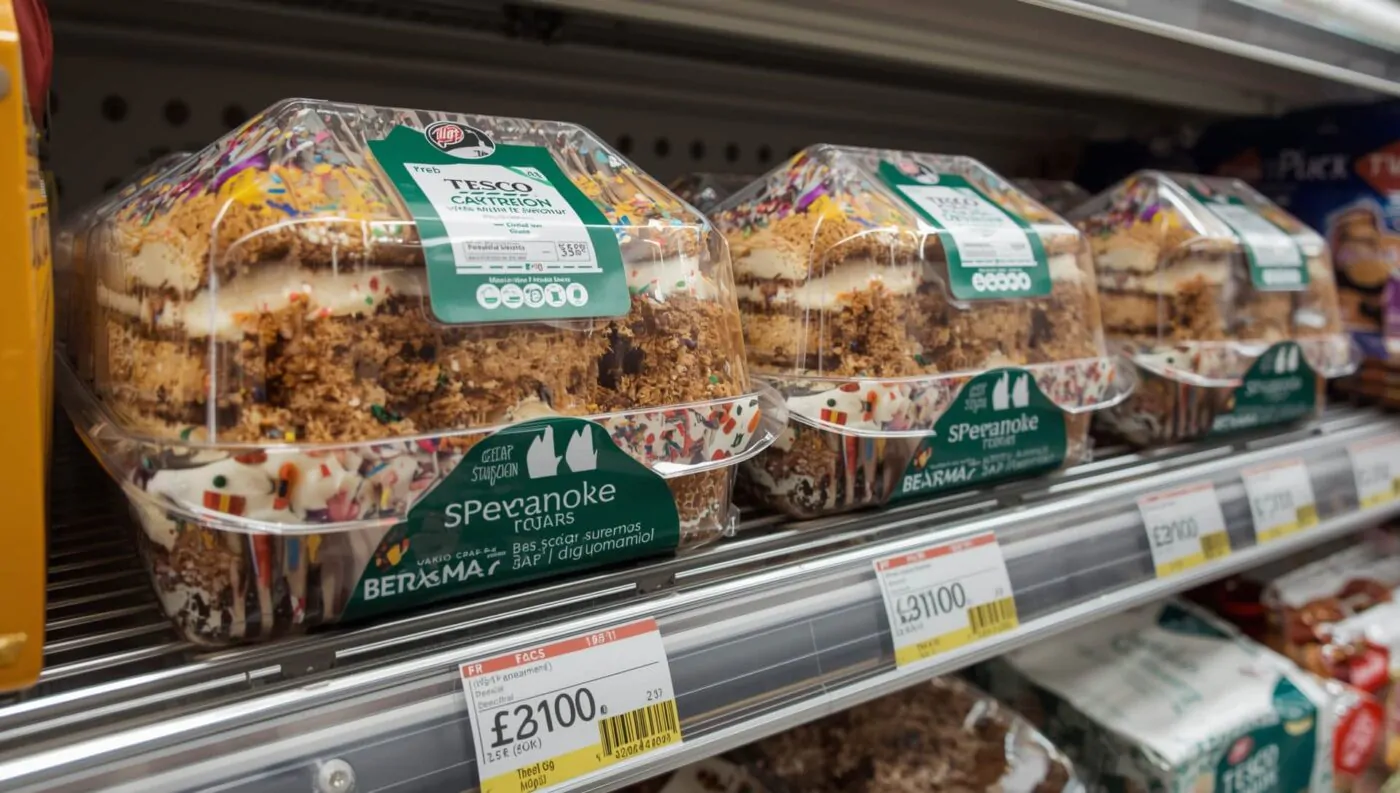
The birthday cake sandwich arrived in Tesco stores this week as part of celebrations marking the 30th anniversary of the Tesco Clubcard. Priced at £3.00 standalone or £4.00 as part of a meal deal with drink and snack, this Victoria sponge-inspired creation has immediately captured public attention for all the wrong reasons, according to critics.
Created after nine months of development by Tesco’s product innovation team, the sandwich features brioche-style white bread filled with full-fat soft cheese, seedless strawberry jam, colorful sprinkles, and vanilla frosting. The combination aims to recreate the beloved flavors of a traditional Victoria sponge cake in sandwich form.
This latest food innovation follows closely behind the controversy surrounding Marks & Spencer’s strawberries and cream sandwich launched just two months earlier, suggesting British supermarkets are engaged in an escalating battle for the most unusual sandwich creation.
What’s Actually Inside This Controversial Creation
The ingredients list reads more like a dessert recipe than a traditional sandwich filling. Between two slices of soft brioche bread, customers will find a mixture that includes cream cheese icing swirled with vanilla frosting, creating the cake-like base flavor profile.
Strawberry jam provides the fruity element typically found in Victoria sponge, while multicolored sprinkles add the visual birthday party aesthetic. The combination creates what Tesco describes as their “soiree sandwich,” though many customers have found different words to describe the experience.
The sandwich is available for a limited four-week period, making it a temporary novelty rather than a permanent menu addition. This limited availability has only intensified the social media buzz as people rush to try it before it disappears.
Social Media Erupts in Horror and Fascination
The reaction across social media platforms has been swift and overwhelmingly negative. One particularly viral X (formerly Twitter) post simply asked “What horror is this?” while another user branded it “a diabetes sandwich,” highlighting concerns about the sugar content.
The phrase “absolutely vile” has appeared repeatedly in online reviews and social media comments. Many users have expressed disgust at the concept of combining traditional sandwich bread with what they view as purely dessert ingredients.
However, the controversy has also generated significant curiosity and engagement. Food bloggers and social media influencers are rushing to try the sandwich, creating review content that’s driving further discussion and debate across platforms.
Health advocacy groups have also weighed in on the trend. Nina Barnett from Food Transparency UK warned that “These products blur the lines between meals and treats,” raising concerns about normalizing high-sugar foods as meal options.
The Taste Test Reality
Early taste testers have provided mixed but largely critical reviews. One Metro reviewer described needing “a glass of water” after trying the £3 sandwich, suggesting the sweetness level is overwhelming for many palates.
Professional food critics have been particularly harsh, with The Telegraph describing it as “an abomination” in their taste test review. The criticism focuses primarily on the clash between savory bread expectations and the intensely sweet filling.
Despite the negative reviews, some customers have found the sandwich unexpectedly enjoyable, particularly those approaching it as a dessert rather than a meal. The key seems to be managing expectations and treating it as a novelty sweet treat rather than traditional lunch fare.
The Marketing Strategy Behind the Madness
Tesco’s decision to launch this controversial sandwich isn’t accidental. The timing coincides perfectly with the Clubcard’s 30th anniversary, creating a memorable marketing moment that generates significant brand attention regardless of product reception.
The limited availability creates urgency and FOMO (fear of missing out) marketing, encouraging customers to visit stores specifically to try the novelty item. Even negative publicity serves the marketing purpose by increasing brand visibility and store traffic.
This strategy follows a growing trend of “Instagram-worthy” food products designed more for social media sharing than culinary excellence. The colorful sprinkles and unusual concept make it highly shareable content, extending the marketing reach organically.
Food Industry Trend or Temporary Gimmick
The birthday cake sandwich represents part of a broader food innovation trend where traditional meal categories are being deliberately disrupted. Supermarkets are increasingly experimenting with unusual flavor combinations to capture social media attention and differentiate themselves from competitors.
Food transparency advocates worry this trend encourages unhealthy eating patterns by presenting high-sugar treats as acceptable meal replacements. The concern extends beyond individual products to the broader normalization of dessert-meals in mainstream retail.
Industry experts suggest these novelty products serve multiple purposes beyond direct sales. They generate media coverage, social media engagement, and position brands as innovative and trend-setting, even when individual products fail commercially.
The Verdict on Tesco’s Sweet Gamble
Whether the birthday cake sandwich succeeds commercially remains to be seen, but it has already achieved its likely primary objective of generating massive public attention for the Tesco brand during their Clubcard anniversary celebration.
The four-week limited run suggests Tesco anticipated mixed reception and planned accordingly. This approach allows them to capitalize on novelty appeal while avoiding long-term commitment to a potentially unpopular product.
For consumers curious about this culinary experiment, the sandwich represents either a fun novelty worth trying or a cautionary tale about food innovation gone too far. The £3 price point makes it accessible for those wanting to join the social media conversation, even if they don’t plan to make it a regular purchase.
The birthday cake sandwich phenomenon ultimately reflects our current food culture’s emphasis on shareability over taste, proving that sometimes the most criticized products generate the most valuable marketing buzz.