Cooking chicken breast in the oven remains one of the most popular methods for preparing this versatile protein, yet many home cooks struggle with achieving the perfect balance of juicy interior and properly cooked exterior. Getting the cooking time and temperature right can mean the difference between dry, overcooked meat and tender, flavorful chicken that your family will love.
Essential Temperature Guidelines for Oven Baked Chicken
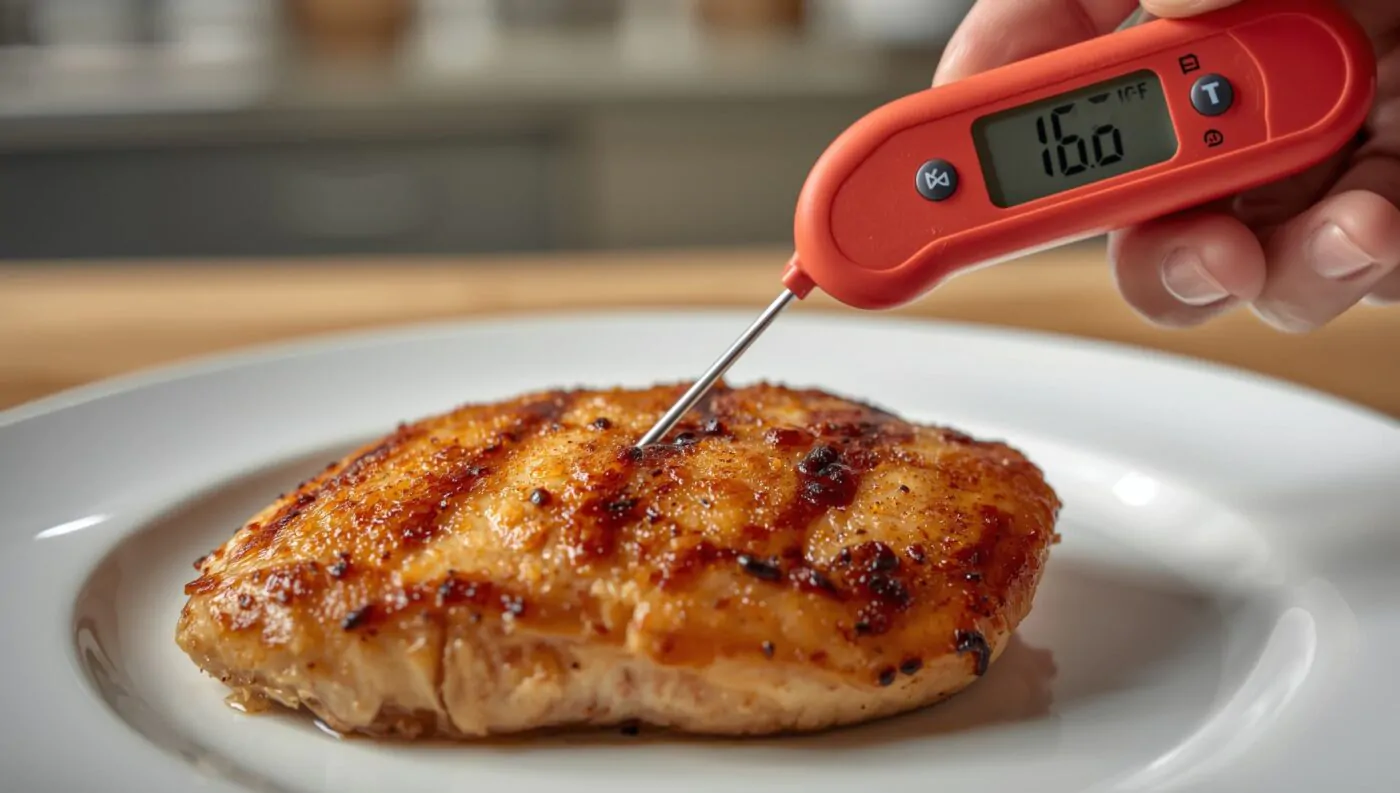
The internal temperature of chicken breast must reach 165°F (74°C) according to USDA food safety guidelines. This temperature ensures that harmful bacteria are eliminated while maintaining the meat’s natural juices and tenderness.
Oven temperature settings significantly impact cooking time and final texture. Most professional chefs recommend cooking chicken breast at 375°F to 425°F for optimal results. Higher temperatures like 450°F work excellently for achieving crispy exteriors while keeping the interior moist, typically requiring 15-18 minutes of cooking time.
For those preferring a low and slow approach, baking at 375°F takes approximately 20-30 minutes depending on thickness, while 400°F reduces cooking time to about 18-22 minutes for standard-sized breasts.
Cooking Time Based on Chicken Breast Thickness
Thin chicken breasts (less than 1 inch thick) cook much faster than their thicker counterparts. At 400°F, thin breasts typically need 12-15 minutes, while thick chicken breasts (1.5-2 inches) require 22-25 minutes at the same temperature.
Pound chicken breasts to even thickness before cooking to ensure uniform cooking throughout. This technique prevents the thinner edges from overcooking while the thicker center reaches safe temperature.
Boneless, skinless chicken breast cooks faster than bone-in varieties. Bone-in chicken breast requires an additional 5-10 minutes of cooking time due to the bone’s insulating effect on the surrounding meat.
Step by Step Oven Cooking Method
Preheat your oven to the desired temperature before placing chicken inside. This ensures even cooking from the moment the meat enters the oven, preventing uneven texture and temperature distribution.
Season the chicken breast at least 30 minutes before cooking to allow flavors to penetrate the meat. Salt, pepper, garlic powder, and herbs create excellent flavor combinations while helping to retain moisture during the cooking process.
Use a meat thermometer to check doneness rather than relying solely on cooking times. Insert the thermometer into the thickest part of the breast, avoiding contact with the baking sheet, which could give false readings.
Temperature and Time Chart for Different Oven Settings
At 375°F: Cook for 20-30 minutes depending on thickness At 400°F: Cook for 18-22 minutes for standard breasts At 425°F: Cook for 15-20 minutes for quick, crispy results At 450°F: Cook for 15-18 minutes for high-heat roasting
Convection oven cooking requires temperature reduction of 25°F to 50°F compared to conventional ovens, with cooking times reduced by approximately 25% due to improved air circulation.
Preparation Techniques for Juicy Results
Brining chicken breast for 2-4 hours before cooking significantly improves moisture retention and flavor. A simple brine consists of water, salt, and sugar, though herbs and spices can be added for extra flavor complexity.
Marinating overnight in acidic ingredients like lemon juice or vinegar helps tenderize the meat while infusing flavor. Oil-based marinades also help prevent sticking and promote even browning during cooking.
Room temperature chicken cooks more evenly than cold chicken straight from the refrigerator. Remove chicken from the fridge 30 minutes before cooking to allow it to come to room temperature.
Common Mistakes That Lead to Dry Chicken
Overcooking remains the primary cause of dry chicken breast. Once the internal temperature reaches 165°F, remove the chicken immediately to prevent moisture loss from continued cooking.
Skipping the rest period after cooking prevents juices from redistributing throughout the meat. Allow cooked chicken to rest for 5-10 minutes before slicing to maintain maximum juiciness.
Cooking frozen chicken without proper thawing increases cooking time unpredictably and often results in uneven cooking. When cooking frozen chicken breast, increase oven temperature to 400°F and add 10-15 minutes to the standard cooking time.
Testing for Doneness Beyond Temperature
Visual cues can supplement thermometer readings for experienced cooks. Properly cooked chicken breast should have clear juices running from the meat when pierced, with no pink coloration visible in the thickest areas.
Texture testing involves gently pressing the center of the breast. Fully cooked chicken feels firm but not hard, springing back when pressed rather than feeling soft or squishy.
Carryover cooking continues after removing chicken from the oven, potentially raising internal temperature by 5-10°F. Consider removing chicken when it reaches 160°F to account for this temperature increase during resting.
Seasoning and Flavor Enhancement Tips
Herb combinations like rosemary, thyme, and sage complement chicken’s natural flavor without overpowering the meat. Fresh herbs provide more vibrant flavor than dried versions, though both work effectively.
Citrus zest from lemons, limes, or oranges brightens the overall flavor profile while adding aromatic compounds that enhance the eating experience.
Garlic and onion powder create savory depth without the risk of burning that fresh garlic faces during high-temperature cooking.
Serving and Storage Guidelines
Proper slicing technique involves cutting against the grain to maximize tenderness. Use a sharp knife and slice in smooth, confident motions to avoid tearing the meat fibers.
Storage recommendations include refrigerating cooked chicken within two hours of cooking. Properly stored chicken breast remains safe for 3-4 days in the refrigerator or up to 3 months in the freezer.
Reheating methods should aim to restore moisture while reaching safe internal temperatures. Cover with foil and reheat at 325°F until warmed through, or use microwave with damp paper towel covering.
Mastering chicken breast cooking times and techniques transforms this everyday protein into restaurant-quality meals that satisfy both taste and safety requirements. Whether you prefer high-heat roasting or gentle baking, understanding these principles ensures consistent, delicious results every time you cook chicken breast in your oven.