Making perfect mashed potatoes has become more than just a simple side dish preparation—it’s evolved into an art form that home cooks are mastering with innovative techniques and creative variations. Whether you’re preparing them for a holiday feast or a weeknight dinner, getting the texture, flavor, and consistency right can elevate any meal from ordinary to extraordinary.
Choosing the Right Potatoes Makes All the Difference
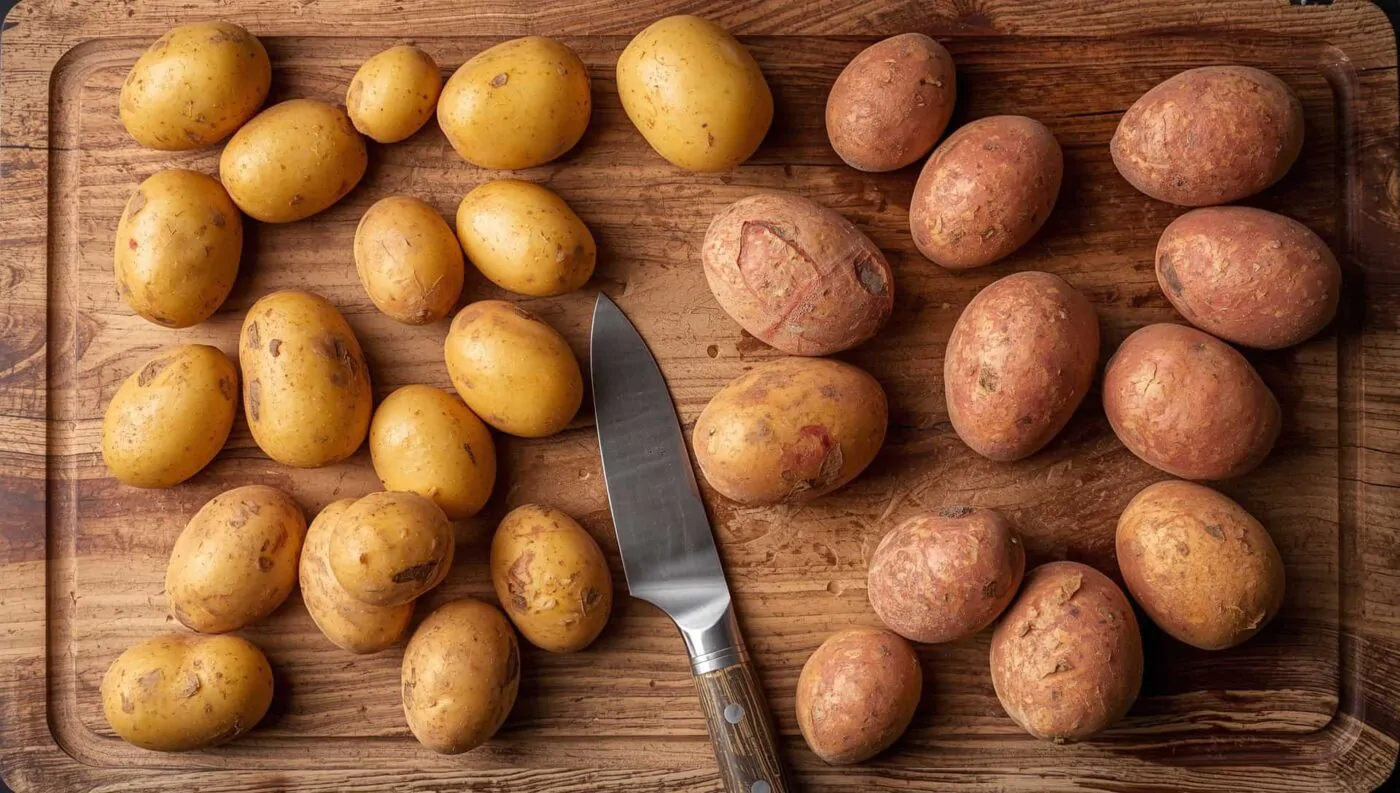
The foundation of exceptional mashed potatoes starts with selecting the proper potato variety. Russet potatoes reign supreme for mashing due to their high starch content and low moisture levels, creating that coveted light and fluffy texture that melts in your mouth.
Yukon Gold potatoes offer an excellent alternative with their naturally buttery flavor and creamy texture. These all-purpose potatoes contain enough starch to achieve smooth, velvety results while maintaining a slightly denser consistency that many prefer.
Professional chefs recommend avoiding waxy potatoes like red potatoes or fingerlings for mashing, as their low starch content and high moisture can result in gluey, dense mashed potatoes that lack the desired fluffy texture.
Essential Preparation Steps for Success
Peeling and cutting your potatoes properly sets the stage for even cooking. Cut potatoes into uniform chunks approximately 1-2 inches in size to ensure they cook at the same rate. Some cooks prefer leaving the potato skins on for added texture and nutritional value, especially when using thin-skinned varieties.
Cold water starts provide the best results for boiling potatoes. Place cut potatoes in a large pot, cover with cold water by about an inch, and add a generous amount of salt to the water. This technique ensures the potatoes cook evenly from the outside in, preventing the exterior from becoming mushy while the center remains undercooked.
Cooking time typically ranges from 15-20 minutes depending on the size of your potato chunks. Test for doneness by piercing with a fork—the potatoes should break apart easily without resistance.
The Science Behind Creamy Texture
Temperature control plays a crucial role in achieving the perfect consistency. Always add warm ingredients to hot potatoes to prevent the mixture from cooling down and becoming dense. Heat your butter, cream, or milk before incorporating them into the mashed potatoes.
Mashing technique significantly impacts the final texture. Use a potato masher or ricer for the fluffiest results, avoiding electric mixers which can overwork the starches and create a gluey consistency. Work quickly while the potatoes remain hot for optimal texture.
Heavy cream creates the most luxurious mashed potatoes, though whole milk or half-and-half work well for lighter versions. The key is adding liquid gradually until you reach your desired consistency—you can always add more, but you can’t take it back.
Butter and Seasoning Secrets
High-quality butter makes a noticeable difference in both flavor and richness. Use unsalted butter to control the salt content, and add it while it’s at room temperature for easier incorporation. Professional chefs often use a 1:4 ratio of butter to potatoes for restaurant-quality richness.
Salt timing matters more than most home cooks realize. Season the cooking water generously, then taste and adjust seasoning after mashing. White pepper provides heat without black specks, while garlic powder adds savory depth without the risk of burning fresh garlic.
Fresh herbs like chives, parsley, or thyme can elevate simple mashed potatoes into gourmet territory. Add these delicate ingredients just before serving to preserve their bright flavors and vibrant colors.
Modern Variations and Creative Twists
Vegan mashed potatoes have gained popularity with plant-based alternatives producing surprisingly creamy results. Plant milk combined with vegan butter or olive oil creates dairy-free versions that satisfy even traditional mashed potato lovers.
Roasted garlic mashed potatoes involve roasting whole garlic bulbs until caramelized and sweet, then mashing the soft cloves directly into the potatoes for complex, mellow garlic flavor without harshness.
Cheese variations include stirring in cream cheese for extra tanginess, sour cream for brightness, or grated Parmesan for umami depth. These additions should be incorporated while the potatoes are still hot to ensure smooth melting.
Common Mistakes to Avoid
Overworking the potatoes creates a gluey, paste-like texture that’s impossible to fix. Once you’ve achieved your desired consistency, stop mashing immediately. The starches in potatoes break down quickly with excessive handling.
Cold ingredients will cool down your mashed potatoes and make them dense. Always warm your dairy products before adding them to maintain the light, fluffy texture you’ve worked to achieve.
Under-seasoning leaves mashed potatoes bland and forgettable. Remember that potatoes absorb significant amounts of salt, so taste frequently and adjust seasoning throughout the process.
Advanced Techniques for Restaurant Quality
Passing through a fine-mesh sieve after initial mashing removes any lumps and creates an incredibly smooth texture. This extra step takes time but produces professional-level results that impress dinner guests.
Whipping in air using a whisk after mashing incorporates air bubbles that make the potatoes lighter and fluffier. This technique works best when the potatoes are still quite hot and the consistency is already smooth.
Make-ahead preparation involves preparing mashed potatoes completely, then reheating in a slow cooker or oven with additional liquid to restore the original texture. This method saves time during busy meal preparation.
Storage and Reheating Tips
Refrigerator storage keeps mashed potatoes fresh for 3-4 days when stored in airtight containers. The texture will become denser as they cool, requiring additional liquid during reheating.
Reheating methods include gentle warming in a saucepan with added milk or cream, stirring frequently to prevent scorching. Microwave reheating works for small portions, though stovetop methods provide better texture control.
Freezing mashed potatoes is possible though texture changes occur. Add extra butter and cream before freezing, and expect to adjust consistency during thawing and reheating.
Serving Suggestions and Pairings
Classic accompaniments include roast beef, fried chicken, meatloaf, or grilled salmon. The neutral flavor and creamy texture of well-made mashed potatoes complement both rich and lean proteins perfectly.
Gravy pairing remains the most traditional serving method, with the smooth potato texture providing an ideal base for savory gravies and pan sauces.
Creative presentations include piping mashed potatoes through a pastry bag for elegant plating, or creating a shepherd’s pie topping that browns beautifully under the broiler.
Mastering homemade mashed potatoes requires attention to detail in potato selection, cooking technique, and ingredient quality. With these methods, you’ll consistently produce the creamy, flavorful mashed potatoes that become the highlight of any meal, transforming a simple side dish into a memorable culinary experience.