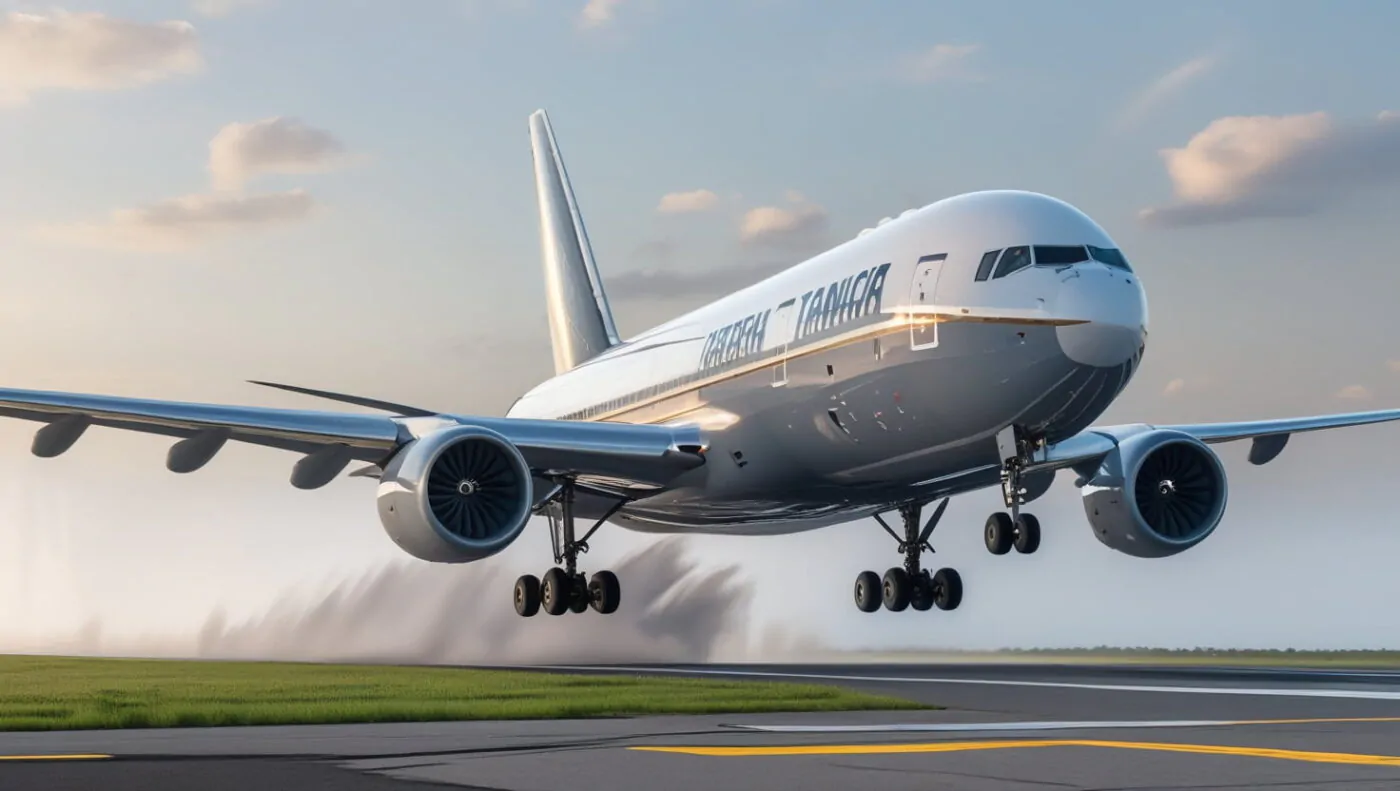
The term “rotate” in aviation represents one of the most critical moments during aircraft takeoff, yet many passengers remain unaware of its significance. When pilots announce “rotate” during the takeoff roll, they’re executing a precisely calculated maneuver that transforms a speeding aircraft on the runway into a flying machine climbing toward the sky.
Technical Definition of Aircraft Rotation
Aircraft rotation refers to the specific moment when pilots pull back on the flight controls to lift the nose wheel off the runway surface. This action occurs at a predetermined speed called VR (rotation speed), which varies depending on aircraft weight, weather conditions, and runway characteristics.
The rotation maneuver involves gradually applying back pressure to the elevator or flight stick, causing the aircraft’s nose to pitch upward. This change in attitude increases the wing’s angle of attack, generating additional lift necessary for the aircraft to become airborne and separate from the runway surface.
Aerodynamic principles govern the rotation process, as the increased angle of attack allows the wings to produce sufficient lift to overcome the aircraft’s weight. The timing of this maneuver is crucial—too early and the aircraft may struggle to gain altitude, too late and valuable runway length is wasted.
Takeoff Speeds and Rotation Timing
Critical takeoff speeds include several important markers that pilots must monitor during the takeoff roll. V1 represents the decision speed beyond which takeoff must continue even if an engine fails, while VR marks the exact moment for rotation initiation.
Speed calculations take into account numerous factors including aircraft gross weight, center of gravity position, flap configuration, runway slope, wind conditions, and atmospheric pressure. Modern aircraft computers automatically calculate these speeds before each takeoff, ensuring optimal performance and safety.
Weather impact significantly affects rotation speeds and techniques. Headwind conditions reduce the required ground speed for rotation, while tailwinds increase it. Rain, snow, or ice on the runway may also modify standard rotation procedures to maintain adequate safety margins.
Physics Behind Aircraft Rotation
Lift generation depends on airflow over the wing surfaces, which increases with both airspeed and angle of attack. During rotation, pilots carefully balance these factors to achieve smooth, controlled liftoff without risking a stall condition that could compromise safety.
Center of gravity considerations play a vital role in rotation effectiveness. Aircraft loaded with cargo or passengers in different configurations require adjusted rotation techniques to maintain proper pitch control throughout the takeoff sequence.
Wing design characteristics influence how each aircraft type responds to rotation inputs. Large commercial jets require gradual, smooth rotation to prevent tail strikes, while smaller aircraft may rotate more quickly due to their different aerodynamic properties.
Pilot Training and Rotation Procedures
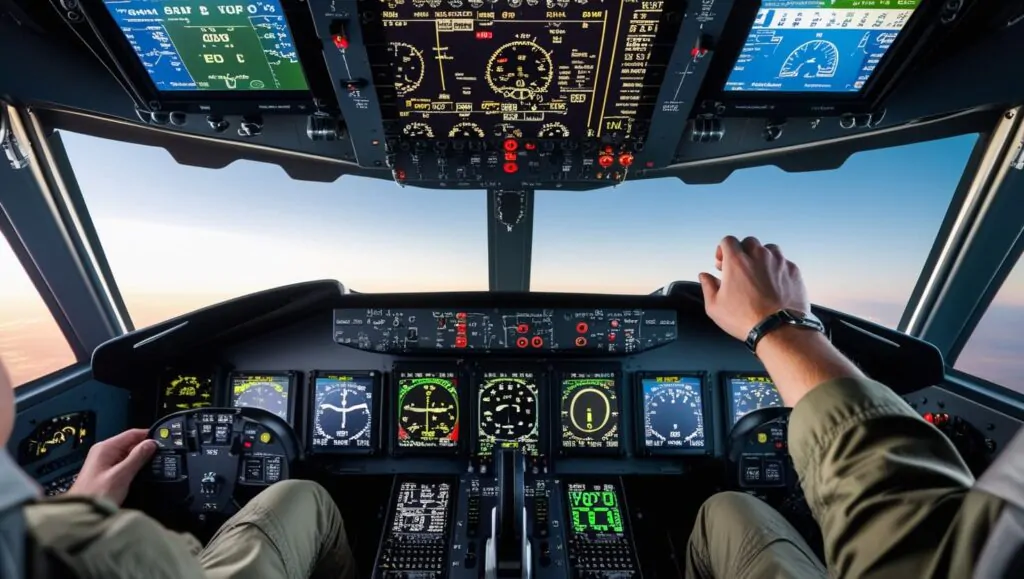
Flight training programs emphasize precise rotation technique as fundamental to safe aircraft operation. Student pilots practice rotation timing, control pressure application, and attitude management extensively in both simulators and actual aircraft before earning their licenses.
Standardized procedures ensure consistent rotation execution across different aircraft types and airlines. Standard Operating Procedures (SOPs) specify exactly when and how pilots should announce “rotate” and execute the maneuver, reducing the risk of errors during this critical flight phase.
Simulator training allows pilots to practice rotation in various scenarios including engine failures, crosswinds, contaminated runways, and emergency situations. This repetitive training builds muscle memory and confidence for real-world operations.
Different Aircraft Types and Rotation Variations
Commercial airliners typically rotate between 140-180 knots depending on their size and weight, with pilots applying gradual back pressure over several seconds to achieve the desired pitch attitude. The Citation Mustang rotates around 91 knots, demonstrating how aircraft specifications determine individual rotation speeds.
Military aircraft may have different rotation procedures due to their unique design characteristics and mission requirements. Fighter jets often rotate at much higher speeds and steeper angles than civilian aircraft.
General aviation aircraft encompass a wide range of rotation speeds and techniques, from small single-engine planes that rotate around 60-70 knots to turbine-powered business jets requiring speeds similar to commercial aircraft.
Safety Considerations During Rotation
Tail strike prevention represents a primary concern during rotation, especially for long aircraft or those with aft center of gravity conditions. Pilots must apply sufficient control input to lift off while avoiding excessive pitch angles that could damage the aircraft’s tail section.
Obstacle clearance requirements mandate specific climb gradients after rotation, ensuring aircraft can safely clear buildings, terrain, or other hazards near the airport. This necessitates precise rotation timing and subsequent climb performance.
Weather limitations may require modified rotation procedures or even takeoff cancellation in severe conditions. Strong crosswinds, wind shear, or low visibility can complicate the rotation process and require enhanced pilot skills.
Modern Technology and Rotation Assistance
Flight management systems automatically calculate optimal rotation speeds based on current aircraft configuration and environmental conditions. These systems reduce pilot workload and improve consistency across different flight crews.
Synthetic vision systems provide pilots with enhanced situational awareness during rotation, especially in low visibility conditions where traditional visual references may be limited.
Electronic flight displays show real-time speed information, allowing pilots to precisely time their rotation callout and control inputs for maximum efficiency and safety.
Role of Communication During Rotation
Crew coordination requires clear communication between pilots during the rotation phase. The pilot monitoring typically calls out speeds and monitors instruments while the pilot flying focuses on aircraft control and rotation execution.
Air traffic control coordination ensures adequate spacing between aircraft during rotation and initial climb phases. Controllers must account for different aircraft rotation characteristics when managing runway traffic.
Standard phraseology helps maintain clear communication during this critical phase, with “rotate” being universally recognized terminology that immediately conveys the pilot’s intention to lift off.
Historical Development of Rotation Procedures
Aviation evolution has refined rotation techniques over decades of operational experience and accident investigation. Early aircraft had less sophisticated systems, requiring pilots to rely heavily on feel and visual cues during rotation.
Safety improvements resulting from enhanced training, better aircraft design, and standardized procedures have significantly reduced takeoff accidents related to improper rotation technique.
Future developments in aviation technology may further automate rotation procedures while maintaining pilot oversight and decision-making authority for unusual situations.
Next time you hear a pilot announce “rotate” during takeoff, you’ll appreciate the precision, training, and scientific principles behind this seemingly simple command. This single word represents the culmination of careful planning, precise calculation, and skilled execution that safely launches millions of flights each year.