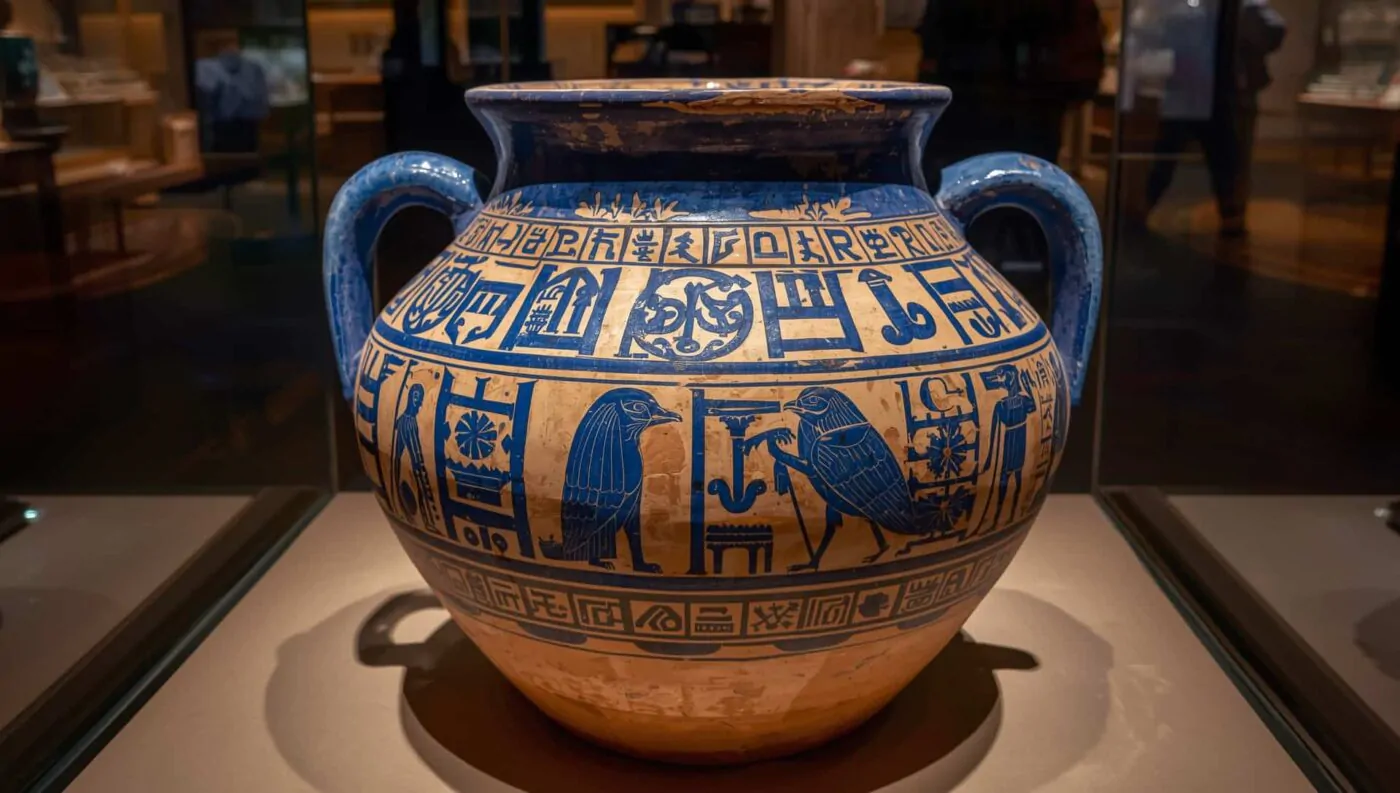
The historical uses of cobalt reveal a fascinating journey spanning over 2,600 years, where this remarkable blue metal served as the foundation for some of humanity’s most prized decorative arts and ceramic glazes. From Ancient Egyptian pottery adorned with brilliant cobalt blue pigments to the iconic Chinese porcelain that graced imperial courts, cobalt’s role in historical ceramics, glass making, ancient pigments, and medieval art has shaped civilizations and trade routes across continents. Archaeological evidence shows that cobalt-containing minerals were first utilized around 2500 BCE in Egypt, where artisans created the world’s earliest synthetic pigments using cobalt ores and alumina compounds. This precious blue colorant became synonymous with luxury, power, and artistic excellence throughout Tang Dynasty pottery, Ming Dynasty ceramics, medieval stained glass, and European smalt production, establishing cobalt as one of history’s most treasured materials long before its modern applications in batteries and technology.
Ancient Egyptian Blue Pottery Revolution
The earliest documented use of cobalt blue pigment appears in Ancient Egypt around 2500 BCE, marking a revolutionary moment in ceramic history. Egyptian artisans created stunning cobalt-decorated pottery that adorned the tombs of pharaohs and decorated sacred vessels.
Egyptian Blue represented one of humanity’s first synthetic pigments, produced through a secret process involving limestone, sand, and cobalt compounds. This vibrant color became so precious that it was reserved for royal burials and religious ceremonies.
The 18th Dynasty period (approximately 1400-1200 BCE) marked the golden age of cobalt blue pottery production in Egypt. Archaeological excavations have revealed exquisite examples of CoAl-spinel pigments created from cobaltiferous alums found in Egypt’s Western Desert.
Chinese Porcelain and the Cobalt Connection
Chinese pottery featuring cobalt blue decorations emerged during the Tang Dynasty (600-900 AD), establishing a tradition that would define Chinese ceramics for centuries. The iconic blue and white porcelain became synonymous with Chinese artistry and craftsmanship.
Ming Dynasty ceramics (1350-1650 AD) elevated cobalt use to unprecedented heights, with imperial workshops perfecting techniques for creating brilliant blue decorations on pristine white porcelain. These pieces became highly sought after throughout Asia and Europe.
Cobalt alumina salts provided the distinctive blue coloration that made Chinese porcelain instantly recognizable. The durability and intensity of cobalt-based glazes ensured these decorative patterns remained vibrant for centuries.
Medieval European Glass and Smalt Production

Medieval glass making adopted cobalt as a crucial ingredient for creating stunning stained glass windows that adorned Gothic cathedrals across Europe. The Saint Denis Basilica, rebuilt between 1130-1140 AD by Abbe Suger, featured magnificent cobalt blue stained glass windows.
Smalt production became a thriving industry during the 15th and 17th centuries, involving the grinding of cobalt-colored glass into fine powder for use as pigment. This process made blue coloration more accessible to artists and decorators.
European artisans valued smalt for its stability and resistance to fading, unlike other blue pigments available at the time. Churches, manuscripts, and decorative arts all benefited from this reliable blue colorant.
Trade Routes and Cobalt Commerce
The global cobalt trade established some of the world’s earliest international commerce networks, with cobalt-containing minerals traveling from mines in Persia and Central Asia to workshops in China, Egypt, and Europe.
Persian cobalt sources supplied much of the ancient world’s demand for blue pigments, creating wealth and establishing trade relationships that lasted for centuries. Merchants carried cobalt ores along the Silk Road to eager buyers.
Venice became a major center for cobalt glass production during the Renaissance, with Venetian glassmakers perfecting techniques that created the famous cobalt blue glass still prized by collectors today.
Technical Innovations in Cobalt Processing
Ancient metallurgy developed sophisticated methods for extracting and purifying cobalt from complex mineral ores. Early craftsmen learned to separate cobalt from other metals through careful heating and chemical processes.
Kiln technology advancement allowed artisans to achieve the high temperatures necessary for properly incorporating cobalt into glass and ceramic glazes. This technical knowledge was closely guarded by craftsmen’s guilds.
Chemical knowledge of cobalt compounds grew through centuries of experimentation, leading to better understanding of how different cobalt preparations affected color intensity and durability.
Cobalt transformed ceramics in East Asia. Chinese kilns at Jingdezhen perfected white porcelain decorated with underglaze cobalt blue by the fourteenth century, creating wares that traveled the world through trade. Museum collections highlight famous imperial pieces from the early Ming era with elegant brushwork in cobalt blue. References
https://www.metmuseum.org/art/collection/search/39666
https://82nd-and-fifth.metmuseum.org/toah/ht/08/eac.html
Korean potters in the Joseon period also produced prized white wares decorated with cobalt, blending purity of form with restrained blue painting that suited the era’s aesthetic. Reference
https://www.metmuseum.org/essays/in-pursuit-of-white-porcelain-in-the-joseon-dynasty-1392-1910
Religious and Cultural Significance
Sacred art across multiple civilizations incorporated cobalt blue as a symbol of divinity, eternity, and spiritual power. Egyptian tomb paintings, Buddhist temple decorations, and Christian church windows all featured prominent cobalt blue elements.
Royal associations elevated cobalt blue to the status of imperial color in many cultures. Chinese emperors favored blue and white porcelain, while European nobility commissioned cobalt-decorated items as symbols of wealth and sophistication.
Cultural exchange occurred through the spread of cobalt-working techniques, with knowledge traveling along trade routes and contributing to the development of distinctive regional styles in different civilizations.
Artistic Applications and Techniques
Manuscript illumination utilized ground cobalt glass (smalt) to create brilliant blue decorations in medieval books and religious texts. Scribes and artists valued cobalt’s permanence and vibrant appearance.
Decorative tiles featuring cobalt blue glazes adorned palaces, mosques, and important buildings across the Islamic world. These tiles demonstrated both artistic skill and access to valuable cobalt materials.
Jewelry and ornamental objects incorporated cobalt-colored glass and ceramic elements, creating luxury items that displayed the owner’s wealth and refined taste.
Regional Variations and Styles
Persian ceramics developed distinctive cobalt blue patterns that influenced pottery traditions across the Middle East and Central Asia. Persian artisans created unique glazing techniques that maximized cobalt’s visual impact.
European pottery traditions adapted cobalt use to local aesthetic preferences, creating regional styles that combined cobalt blue with other decorative elements and techniques.
Japanese ceramics eventually incorporated cobalt blue decorations, influenced by Chinese techniques but adapted to Japanese artistic sensibilities and cultural preferences.
Legacy and Historical Impact
The historical significance of cobalt extends far beyond its decorative applications, representing early international trade, technological innovation, and cultural exchange. Ancient cobalt use laid groundwork for modern industrial applications.
Archaeological evidence continues revealing new insights into ancient cobalt use, with scientific analysis of historical artifacts providing detailed information about ancient manufacturing techniques and trade patterns.
Modern appreciation for historical cobalt work has created a thriving market for authentic pieces, while inspiring contemporary artists to explore traditional techniques and create new works inspired by ancient cobalt traditions.
Understanding cobalt’s rich historical legacy provides valuable perspective on how a single material can shape art, culture, and commerce across millennia, demonstrating the enduring human fascination with this remarkable blue metal.
Copilot said: What was cobalt used for in the
What was cobalt used for in the past
Rising interest in critical minerals often sends people searching for the backstory of cobalt. Long before batteries, cobalt shaped art, craft, medicine, and industry. LSI keywords for context and search relevance include cobalt blue pigment, smalt, blue and white porcelain, stained glass, ceramic glazes, enamels, underglaze blue, cobalt aluminate, Thenard 1802, Renaissance painting, medieval pigments, lightning blue glass, cobalt chloride, sympathetic ink, oil paint driers, Stellite alloy, tool steels, cobalt 60 radiotherapy, cobalamin vitamin B12, mining history kobold.
Blue that changed art and craft
Cobalt has been prized for millennia for the vivid blue it brings to glass and glaze. In ancient Egypt and across the Middle East, artisans used cobalt bearing minerals to color glass and ceramics a dense sapphire tone. Chemists today point out that early use included a glass bound pigment known as smalt, a potash glass colored with cobalt that later became common in European painting. The Royal Society of Chemistry reviews note the deep historical roots of cobalt colored materials and also the science behind their hues. Reference
https://pubs.rsc.org/en/content/articlehtml/2007/cs/b606268g
In Europe, smalt emerged as a workhorse blue in the fifteenth to eighteenth centuries. It appears in wall paintings and on the palettes of oil painters, although conservators now see that smalt can fade or shift toward a grayish tone as the glass matrix deteriorates. Reference
https://pubs.rsc.org/en/content/articlelanding/2012/ja/c2ja30132f
Blue and white porcelain across continents
Cobalt transformed ceramics in East Asia. Chinese kilns at Jingdezhen perfected white porcelain decorated with underglaze cobalt blue by the fourteenth century, creating wares that traveled the world through trade. Museum collections highlight famous imperial pieces from the early Ming era with elegant brushwork in cobalt blue. References
https://www.metmuseum.org/art/collection/search/39666
https://82nd-and-fifth.metmuseum.org/toah/ht/08/eac.html
Korean potters in the Joseon period also produced prized white wares decorated with cobalt, blending purity of form with restrained blue painting that suited the era’s aesthetic. Reference
https://www.metmuseum.org/essays/in-pursuit-of-white-porcelain-in-the-joseon-dynasty-1392-1910
From smalt to modern cobalt blue in painting
While smalt served European artists for centuries, the early nineteenth century brought a more stable cobalt blue. In 1802 the French chemist Louis Jacques Thénard prepared a brilliant blue by calcining cobalt compounds with alumina to make cobalt aluminate. That pigment offered strong tinting strength and better permanence than smalt and soon appeared on artists’ palettes alongside ultramarine. For a broad color history context, see the Science History Institute and Smithsonian resources on color. References
https://www.sciencehistory.org/stories/stories-by-topic/the-history-of-color/
https://library.si.edu/exhibition/color-in-a-new-light/science
Beyond easels and porcelain, cobalt colored stained glass in medieval and later windows, as trace amounts in the glass batch yield a rich blue that remains stable in light. Cobalt pigments and oxides also colored enamels on metalwork and ceramics, valued for their durability during firing.
Early household and workshop uses
Cobalt compounds turned up in practical settings too.
- Oil paint and varnish driers
Cobalt soaps act as siccatives that accelerate drying of linseed oil based paints. This nineteenth century practice carried into modern coatings and remains in use at low levels. - Humidity indicators and teaching aids
Cobalt chloride paper changes color reversibly with moisture content, a classic classroom demonstration and a quick indicator for desiccants. The Royal Society of Chemistry features cobalt chloride among its education resources. Reference
https://pubs.rsc.org/en/content/articlehtml/2007/cs/b606268g - Sympathetic inks
Cobalt salts served as heat sensitive writing inks that appear when warmed and fade again on cooling, a curiosity of early chemistry sets and secret writing manuals.
Alloys and cutting tools before the battery age
By the early twentieth century cobalt was central to wear resistant alloys. Metallurgists created cobalt chromium carbides that held an edge and resisted heat, finding use in cutting tools, turbine components, and valves. Families of cobalt based alloys became synonymous with durability in harsh service. A concise background on such alloys is provided by established encyclopedias. Reference
https://www.britannica.com/technology/Stellite
Medicine and radiation therapy in the mid twentieth century
Cobalt played a major role in cancer care. The radioisotope cobalt 60 emits gamma rays and powered thousands of external beam radiotherapy units known as cobalt machines from the 1950s onward. These devices brought effective treatment to hospitals worldwide and remain in service in many regions. For background on radiotherapy with cobalt 60 and its continuing role, see the International Atomic Energy Agency. Reference
https://www.iaea.org/topics/radiotherapy
Notes on biology and the element’s name
A trace of cobalt sits at the heart of vitamin B12 known as cobalamin, essential to human metabolism. That biological insight is modern, but it underscores how widely cobalt appears across science and life.
The name cobalt reaches back to German miners who dreaded tricky arsenic bearing ores, calling them kobold for goblin. When smelting failed to yield copper or silver and toxic fumes appeared, they blamed the mischievous spirit. Later chemists isolated the distinct metal behind those blue colors and the name endured.
Quick timeline you can scan
- Ancient glassmakers in Egypt and the Near East use cobalt to impart deep blue to glass and glazes
- Fourteenth century Chinese potters master underglaze cobalt blue porcelain and export it globally
- Fifteenth to eighteenth centuries European painters use smalt as a blue pigment that later shows aging related color shifts
- Early nineteenth century chemists introduce stable cobalt blue which becomes a staple artist pigment
- Nineteenth and twentieth centuries bring cobalt driers in oil paints and cobalt chloride indicators in teaching and industry
- Early twentieth century metallurgy develops cobalt based hard alloys for cutting and high wear applications
- Mid twentieth century cobalt 60 radiotherapy units expand access to cancer treatment worldwide
Where to read more from trusted sources
- Royal Society of Chemistry on blue pigments and smalt
https://pubs.rsc.org/en/content/articlehtml/2007/cs/b606268g
https://pubs.rsc.org/en/content/articlelanding/2012/ja/c2ja30132f - The Met on blue and white porcelain and Joseon white ware
https://www.metmuseum.org/art/collection/search/39666
https://82nd-and-fifth.metmuseum.org/toah/ht/08/eac.html
https://www.metmuseum.org/essays/in-pursuit-of-white-porcelain-in-the-joseon-dynasty-1392-1910 - Science History Institute and Smithsonian on color
https://www.sciencehistory.org/stories/stories-by-topic/the-history-of-color/
https://library.si.edu/exhibition/color-in-a-new-light/science - Stellite alloy overview
https://www.britannica.com/technology/Stellite - Cobalt 60 in radiotherapy
https://www.iaea.org/topics/radiotherapy
Long before modern batteries, cobalt colored empires in glass and porcelain, helped painters achieve luminous skies, hardened tools that shaped machines, and powered radiation beams that saved lives. Its past is as vivid as the blue it made famous.