Chia seeds have emerged as one of the most popular superfoods in 2025, with modern health enthusiasts and nutritionists praising their exceptional nutritional profile. These tiny black and white seeds from the Salvia hispanica plant pack an impressive array of essential nutrients including omega-3 fatty acids, fiber, protein, and antioxidants. Recent scientific research continues to validate the health benefits of chia seeds, particularly for weight management, heart health, blood sugar control, and digestive wellness. The growing body of evidence shows that incorporating chia seeds into your daily diet can transform your overall health by boosting energy levels, supporting cardiovascular function, and improving metabolic processes. With their versatility and ease of incorporation into various meals and beverages, chia seeds represent an accessible pathway to enhanced nutrition and long term wellness.
Exceptional Nutritional Profile of Chia Seeds
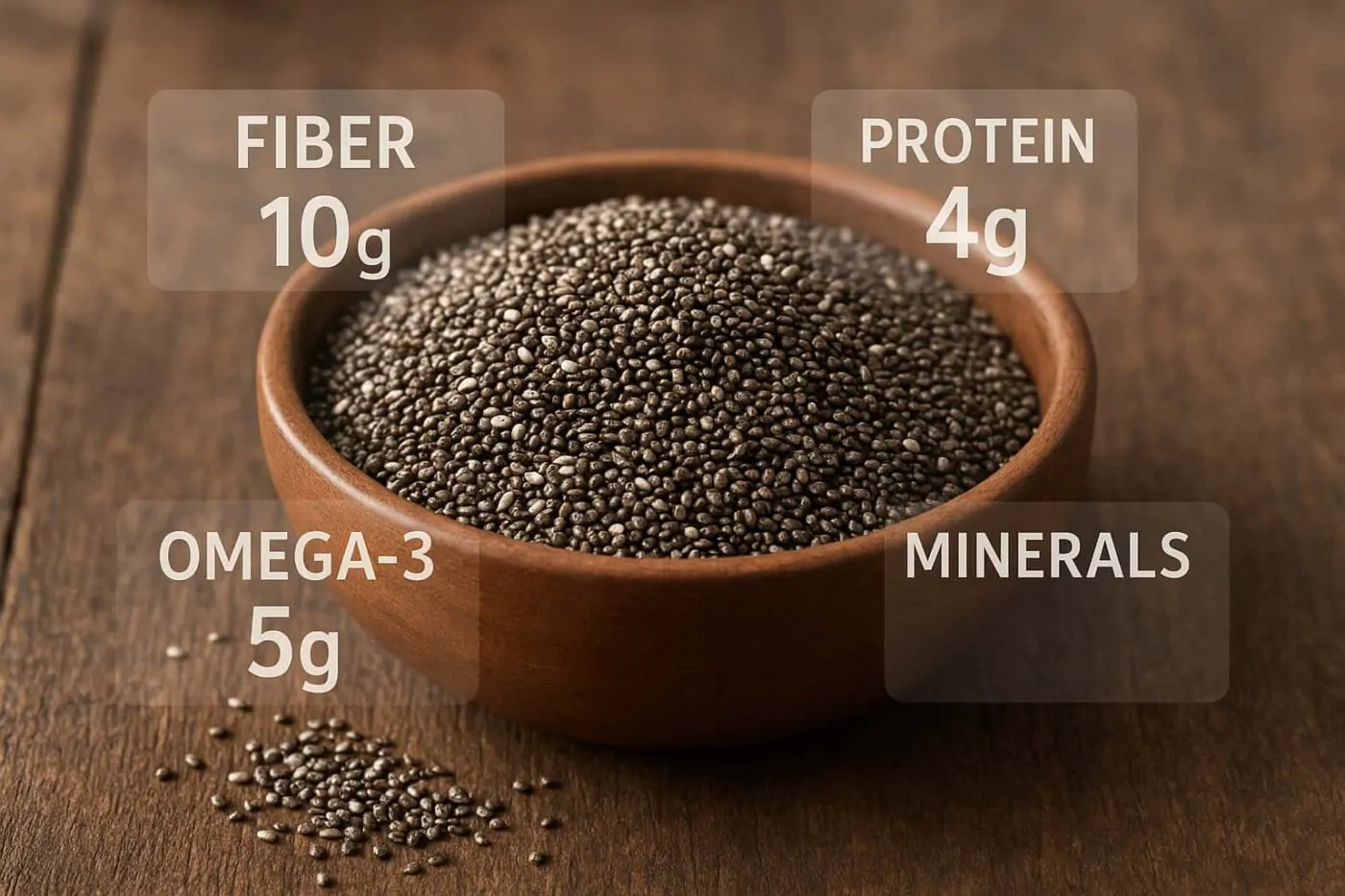
Chia seeds contain one of the most concentrated nutrient profiles found in nature. A single ounce (28 grams) of chia seeds provides 11 grams of dietary fiber, 4 grams of protein, and 5 grams of omega-3 fatty acids. This nutritional density makes them particularly valuable for individuals seeking to maximize their nutrient intake while maintaining portion control.
The protein content in chia seeds includes all nine essential amino acids, making them a complete protein source comparable to animal proteins. This feature makes chia seeds especially beneficial for vegetarians and vegans who may struggle to obtain complete proteins from plant-based sources.
Mineral content in chia seeds includes significant amounts of calcium, phosphorus, magnesium, and manganese. These minerals play crucial roles in bone health, energy metabolism, and cellular function throughout the body.
Heart Health and Cardiovascular Benefits
Recent studies in 2025 have highlighted the cardiovascular benefits of regular chia seed consumption. The alpha linolenic acid (ALA) content in chia seeds converts to omega-3 fatty acids in the body, similar to those found in fatty fish. These omega-3s help reduce inflammation and support healthy cholesterol levels.
Blood pressure regulation represents another key benefit of chia seeds. Research indicates that the combination of fiber, potassium, and omega-3s in chia seeds may help lower both systolic and diastolic blood pressure readings when consumed regularly as part of a balanced diet.
The antioxidant compounds in chia seeds, including quercetin and chlorogenic acid, protect against oxidative stress that can damage blood vessels and contribute to heart disease. These antioxidants work synergistically with omega-3s to promote overall cardiovascular wellness.
Weight Management and Metabolic Support
| Weight Loss Benefit | Mechanism | Daily Impact |
|---|---|---|
| Appetite Control | High fiber content increases satiety | Reduced caloric intake |
| Metabolism Boost | Protein requires energy to digest | Increased calorie burn |
| Blood Sugar Stability | Fiber slows glucose absorption | Reduced cravings |
| Hydration Support | Seeds absorb water and expand | Enhanced fullness |
Chia seeds for weight loss have gained particular attention due to their ability to absorb up to 10 times their weight in water, creating a gel-like substance that promotes feelings of fullness. This expansion property helps control appetite and reduces the likelihood of overeating between meals.
The thermic effect of protein in chia seeds means your body burns more calories digesting these seeds compared to processing carbohydrates or fats. This metabolic boost, while modest, contributes to overall energy expenditure and weight management efforts.
Quick Nutrient Snapshot per 2 tablespoons
Values are typical ranges from major nutrition databases and university sources. Check your package label for specifics.
| Nutrient (approx) | Amount per 28 g (2 tbsp) |
|---|---|
| Energy | 130–140 kcal |
| Total fat | ~9 g |
| Omega‑3 ALA | ~5 g |
| Protein | ~4–5 g |
| Total carbohydrate | ~12 g |
| Dietary fiber | ~10–11 g |
| Calcium | ~175–180 mg |
| Magnesium | ~90–100 mg |
| Phosphorus | ~240 mg |
| Iron | ~2 mg |
References
- USDA FoodData Central chia seeds search
https://fdc.nal.usda.gov/fdc-app.html#/food-search?query=chia%20seeds - Harvard Nutrition Source chia seeds
https://www.hsph.harvard.edu/nutritionsource/food-features/chia-seeds/
How Chia Seeds may Support Health
- Heart health
- ALA is associated with cardiometabolic benefits in observational research, and replacing saturated fats with unsaturated fats helps maintain normal blood cholesterol.
References- NHS omega‑3 overview
https://www.nhs.uk/conditions/vitamins-and-minerals/omega-3-and-omega-6/ - EFSA on unsaturated fats and cholesterol claims
https://www.efsa.europa.eu/en/topics/topic/nutrition
- NHS omega‑3 overview
- ALA is associated with cardiometabolic benefits in observational research, and replacing saturated fats with unsaturated fats helps maintain normal blood cholesterol.
- Blood sugar balance
- The gel‑forming soluble fiber slows carbohydrate absorption, which may blunt post‑meal glucose spikes when chia is part of mixed meals.
Reference- Harvard Nutrition Source on fiber and glycemic effects
https://www.hsph.harvard.edu/nutritionsource/carbohydrates/fiber/
- Harvard Nutrition Source on fiber and glycemic effects
- The gel‑forming soluble fiber slows carbohydrate absorption, which may blunt post‑meal glucose spikes when chia is part of mixed meals.
- Satiety and weight friendly swaps
- High fiber with water‑holding capacity can help you feel fuller, supporting portion control when chia replaces more energy‑dense ingredients.
Reference- Harvard Nutrition Source chia seeds
https://www.hsph.harvard.edu/nutritionsource/food-features/chia-seeds/
- Harvard Nutrition Source chia seeds
- High fiber with water‑holding capacity can help you feel fuller, supporting portion control when chia replaces more energy‑dense ingredients.
- Bone friendly minerals
- Calcium and magnesium contribute to bone maintenance, while phosphorus supports energy metabolism.
Reference- USDA FoodData Central search for nutrient values
https://fdc.nal.usda.gov/fdc-app.html#/food-search?query=chia%20seeds
- USDA FoodData Central search for nutrient values
- Calcium and magnesium contribute to bone maintenance, while phosphorus supports energy metabolism.
Safety and Who Should be Careful
- Hydrate chia properly
- Let seeds sit in liquid to avoid a choking risk, especially for those with swallowing issues.
- Gastrointestinal sensitivity
- High fiber may cause bloating if you increase too quickly; build up gradually.
- Medications and allergies
- If you take blood‑thinning medicines or have food allergies, discuss chia with your clinician.
References - NHS omega‑3 overview for general cautions
https://www.nhs.uk/conditions/vitamins-and-minerals/omega-3-and-omega-6/ - Harvard Nutrition Source chia seeds on use and storage
https://www.hsph.harvard.edu/nutritionsource/food-features/chia-seeds/
- If you take blood‑thinning medicines or have food allergies, discuss chia with your clinician.
Sample One Week Chia add‑ins
| Day | Easy add‑in |
|---|---|
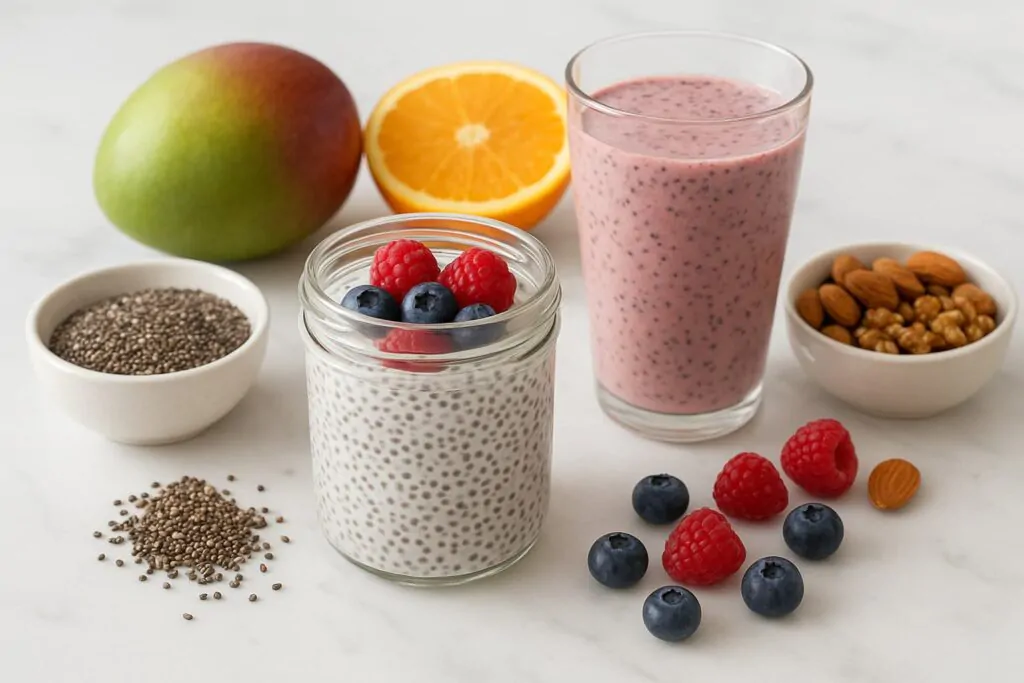
| Mon | Stir 1 tbsp into oats with berries |
| Tue | Blend 2 tsp into a smoothie |
| Wed | Yogurt parfait with 1 tbsp chia |
| Thu | Chia pudding with cinnamon |
| Fri | Sprinkle on salad with avocado |
| Sat | Add to pancake batter |
| Sun | Stir into fruit compote for toast |
Common Questions
- Q: Can chia replace fish oil?
A: No. Chia provides omega‑3 ALA, while fish offers EPA and DHA. The body converts ALA to EPA and DHA at a limited rate, so aim for varied sources.
Reference
- NIH ODS omega‑3 overview
https://ods.od.nih.gov/factsheets/Omega3FattyAcids-HealthProfessional/- Q: Do I need to grind chia?
A: Not required. Whole seeds are fine because their gel softens the seed coat. Grinding can change texture if preferred.- Q: Is there caffeine?
A: No. Chia contains no caffeine.