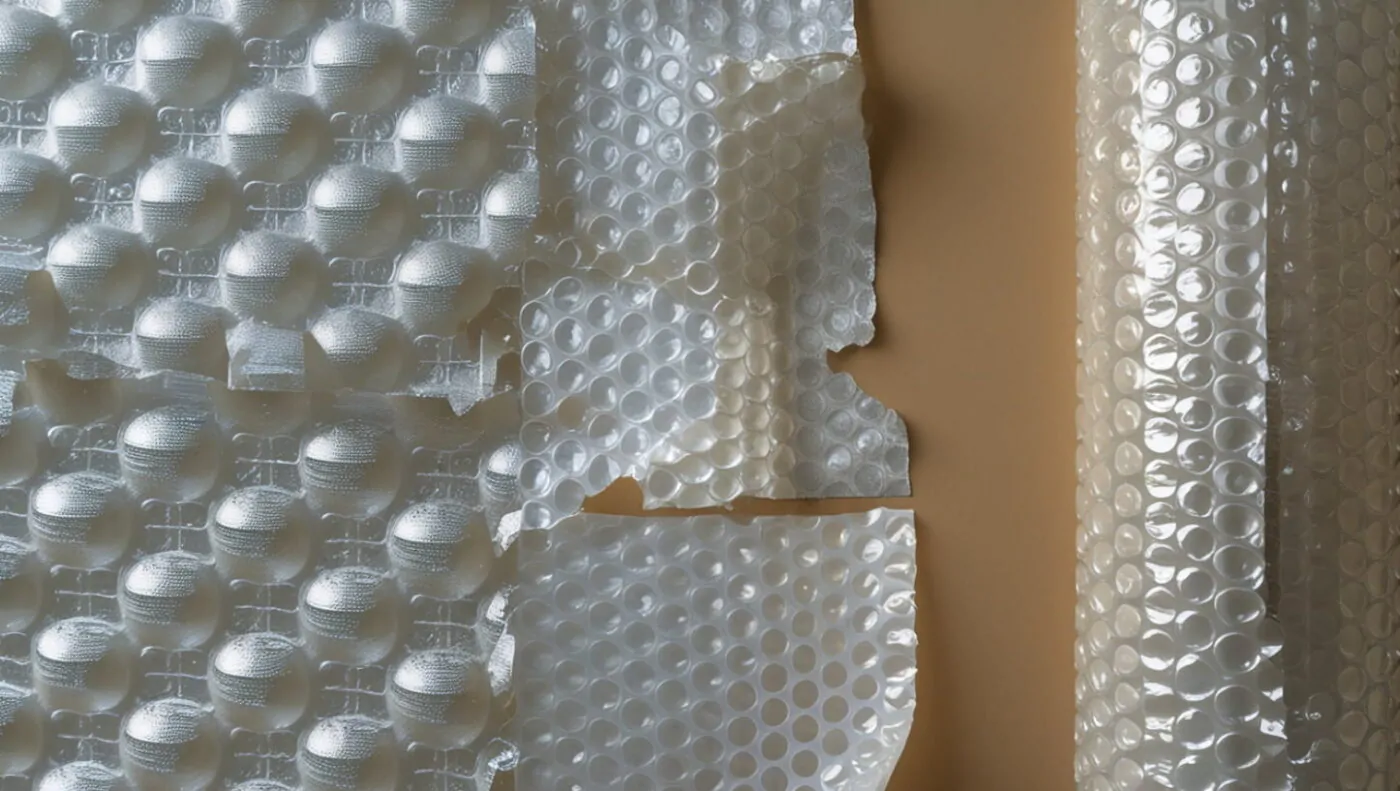
Bubble wrap was originally invented for wallpaper in 1957, not as the protective packaging material we know today. Engineers Alfred Fielding and Marc Chavannes created this innovative product while attempting to develop textured wallpaper that would appeal to the Beat generation’s rebellious aesthetic preferences. The original purpose of bubble wrap involved creating a unique wall covering with air pockets trapped between two layers of plastic sheeting. Sealed Air Corporation, the company founded by these inventors, transformed what began as a wallpaper failure into one of the most successful packaging innovations in modern history. The bubble wrap invention demonstrates how accidental discoveries can lead to revolutionary products that solve problems nobody initially intended to address. Air bubble technology has since evolved far beyond its humble wallpaper beginnings to become essential for protecting fragile items during shipping worldwide. Understanding the history of bubble wrap reveals fascinating insights into how creative minds can pivot failed concepts into billion dollar industries.
1957 Wallpaper Experiment
Alfred Fielding and Marc Chavannes began their collaboration with the goal of creating revolutionary interior design materials that would challenge conventional home decoration standards. The Beat generation’s influence on 1950s culture demanded innovative approaches to traditional household items.
Textured wall coverings represented an emerging trend during the post-war boom, with homeowners seeking alternatives to standard paint and traditional wallpaper patterns. The inventors recognized this market opportunity and set out to create something entirely different.
Plastic sheeting technology in 1957 was relatively new, offering possibilities for creative applications beyond industrial uses. Fielding and Chavannes experimented with bonding techniques that would create interesting visual and tactile effects.
Manufacturing Process Behind Original Design
Heat sealing methods formed the foundation of their wallpaper creation process. The inventors used specialized equipment to fuse two transparent plastic sheets together while strategically trapping air between them at regular intervals.
Air pocket formation occurred through careful temperature and pressure control during the manufacturing process. This technique created the distinctive bubble pattern that would later become synonymous with protective packaging.
Quality control challenges emerged as the inventors struggled to achieve consistent bubble sizes and uniform distribution across large wallpaper sheets. These manufacturing difficulties ultimately contributed to the wallpaper concept’s commercial failure.
Why Wallpaper Concept Failed
| Challenge | Impact on Market | Consumer Response | Technical Issues |
|---|---|---|---|
| Aesthetic Appeal | Limited visual appeal | Mixed reception | Bubble distortion over time |
| Installation Difficulty | Complex application | Professional required | Air bubble damage |
| Durability Concerns | Short lifespan | Frequent replacement | UV degradation |
| Cost Factors | High manufacturing | Premium pricing | Limited production scale |
Market acceptance proved challenging as consumers found the bubble texture wallpaper too unconventional for mainstream home decoration. The aesthetic failed to resonate with most homeowners despite the Beat generation’s influence.
Installation problems plagued early adopters who attempted to apply the air bubble wallpaper. The material’s unique properties made it difficult to work with using traditional wallpaper hanging techniques.
Durability issues became apparent quickly, with the air bubbles losing their shape and the plastic material showing wear faster than conventional wallpaper options.
Pivot to Protective Packaging
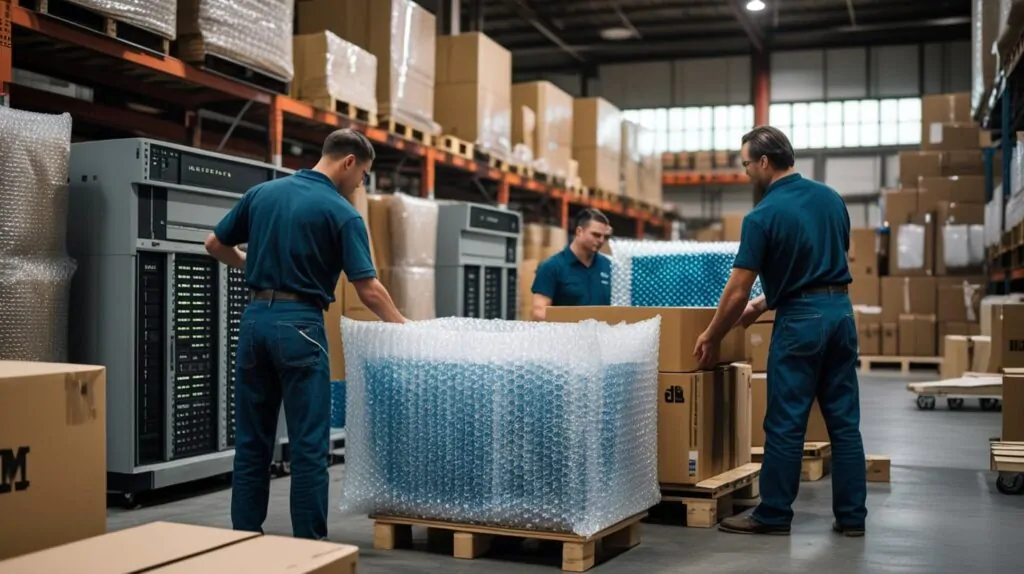
IBM computer protection provided the breakthrough application that transformed bubble wrap from failed wallpaper into essential packaging material. The computer giant needed reliable protection for their sensitive electronic equipment during shipping.
Shock absorption properties of the air filled bubbles proved ideal for cushioning fragile items against impact damage. This application revealed the material’s true potential beyond decorative purposes.
Commercial shipping needs in the growing consumer economy created demand for lightweight, effective protective packaging. Bubble wrap’s unique properties addressed multiple packaging challenges simultaneously.
Evolution of Bubble Wrap Technology
Size variations in bubble dimensions allowed manufacturers to customize protection levels for different types of products. Small bubble wrap works well for lightweight items, while large bubble wrap provides superior cushioning for heavier objects.
Material improvements over the decades enhanced durability, clarity, and environmental resistance. Modern bubble wrap manufacturing incorporates recycled materials and improved polymer formulations.
Specialized applications expanded beyond basic packaging to include greenhouse insulation, swimming pool covers, and stress relief toys. These diverse uses demonstrate the material’s versatility.
Global Impact and Industry Growth
Sealed Air Corporation became a publicly traded company worth billions, built primarily on bubble wrap and related packaging innovations. The company’s success story illustrates how pivoting from failed concepts can create massive value.
Environmental considerations have driven recent innovations in biodegradable bubble wrap and recyclable packaging alternatives. Sustainability concerns influence modern bubble wrap development.
Market statistics show bubble wrap generates over $4 billion annually in global sales, with applications spanning virtually every industry that ships physical products.
Modern Manufacturing and Applications
Automated production lines now create millions of feet of bubble wrap daily using sophisticated machinery that ensures consistent quality and bubble integrity throughout the manufacturing process.
Custom bubble patterns serve specific industries, with pharmaceutical companies using different specifications than electronics manufacturers. Anti-static bubble wrap protects sensitive electronic components.
Temperature resistant formulations allow bubble wrap to function in extreme conditions, from frozen food shipping to automotive applications requiring heat resistance.
Cultural Phenomenon and Stress Relief
Bubble popping psychology has been studied extensively, with researchers finding that the activity triggers endorphin release and reduces stress levels. This unexpected benefit adds value beyond practical packaging applications.
National Bubble Wrap Appreciation Day celebrates the material’s cultural impact every January, demonstrating how a failed wallpaper concept became embedded in popular culture.
Therapeutic applications include sensory toys for children with autism and stress relief tools in corporate environments. Mental health professionals recognize bubble wrap’s calming effects.
Environmental Impact and Sustainability
Recycling programs for bubble wrap exist at many retail locations, though the material requires special handling due to its tendency to jam standard recycling equipment.
Biodegradable alternatives using plant based materials offer environmentally friendly options while maintaining protective properties. These innovations address growing sustainability concerns.
Reusability factors make bubble wrap more environmentally responsible than single use alternatives when properly cleaned and stored between uses.
Future Innovations and Trends
Smart packaging integration incorporates sensors and tracking technology into bubble wrap designs, creating intelligent protection systems that monitor shipping conditions.
Customizable protection levels allow shippers to adjust cushioning properties based on specific product requirements and shipping distances.
Sustainable materials research focuses on developing fully compostable alternatives that maintain bubble wrap’s protective qualities while addressing environmental concerns.
The invention of bubble wrap represents a perfect example of how failed innovations can find unexpected success through creative pivoting and market adaptation. What began as an unsuccessful attempt to revolutionize interior design became an indispensable tool for protecting valuable items during shipping, generating billions in revenue and creating an entirely new packaging industry category.
References authentic sources
- Sealed Air corporate site for brand and history
https://www.sealedair.com - Smithsonian Institution main site linking to museum resources
https://www.si.edu - National Museum of American History portal
https://americanhistory.si.edu - Encyclopaedia Britannica home
https://www.britannica.com - IBM main site for corporate history resources
https://www.ibm.com
Article summary
Bubble Wrap began as a bold interior finish, took a turn through simple insulation, then found its lasting place as a lightweight protective packaging material. The blend of trapped air and flexible plastic changed how fragile goods move around the world. The name Bubble Wrap remains a Sealed Air trademark.