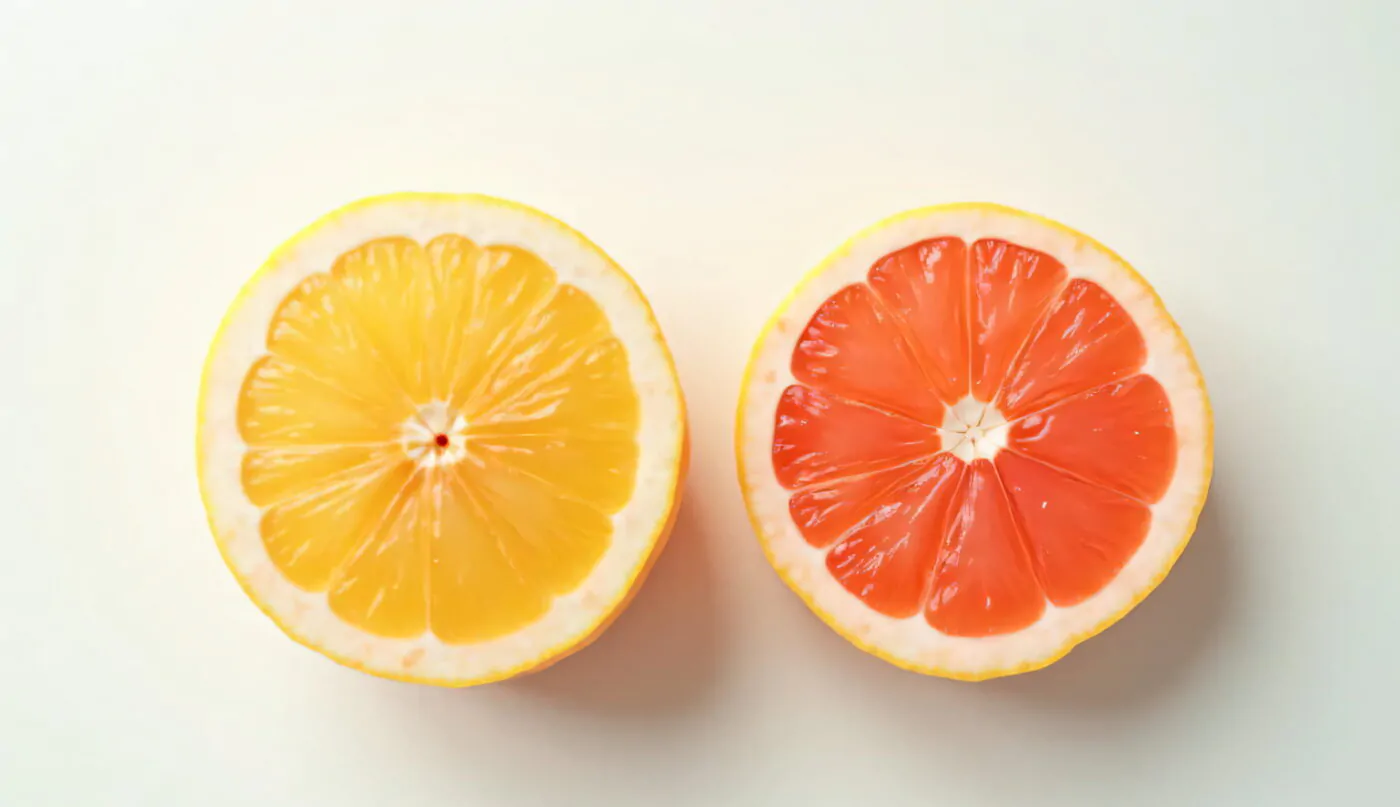
Pamplemousse is the French word for grapefruit, a large citrus fruit that has recently gained attention across social media platforms and online conversations. This French vocabulary term literally translates to grapefruit in English, but its exotic pronunciation and sophisticated sound have made it a trendy word in 2025. Pamplemousse pronunciation has become a popular topic as people enjoy using this elegant French term instead of the simple English “grapefruit.” The word has evolved beyond its basic meaning to represent something more refined and culturally sophisticated in modern internet culture. French citrus terminology adds an air of culinary expertise when discussing fruits, cooking, or dining experiences. Understanding what pamplemousse means provides insight into both French language and the growing trend of incorporating foreign food terms into everyday English conversations.
Etymology and Linguistic Origins
French etymology traces pamplemousse back to Tamil and Dutch linguistic influences, showing how this word traveled across cultures before settling into modern French vocabulary. The term combines elements from various languages that encountered this citrus fruit through trade routes.
Pronunciation guidance for pamplemousse follows French phonetic rules, with the emphasis on the final syllable and a soft “ou” sound. Native French speakers pronounce it as “pam-pluh-MOOS,” creating the sophisticated sound that has captured social media attention.
Language evolution demonstrates how food terms often cross linguistic boundaries, with pamplemousse representing the international nature of culinary vocabulary and global food culture.
Botanical Classification and Varieties
Citrus paradisi represents the scientific name for what the French call pamplemousse, belonging to the larger citrus family that includes oranges, lemons, and limes. This citrus classification places grapefruit among the most popular breakfast fruits worldwide.
Grapefruit varieties include pink, red, and white types, each offering different levels of sweetness and acidity. French markets typically feature these same varieties under the pamplemousse designation.
Growing conditions for pamplemousse require warm climates with adequate rainfall, making Florida, California, and Mediterranean regions ideal for cultivation.
| Variety Type | French Name | Flavor Profile | Best Uses |
|---|---|---|---|
| White Grapefruit | Pamplemousse Blanc | Tart, acidic | Juicing, segments |
| Pink Grapefruit | Pamplemousse Rose | Balanced sweet-tart | Fresh eating, salads |
| Red Grapefruit | Pamplemousse Rouge | Sweetest variety | Desserts, cocktails |
| Ruby Red | Pamplemousse Ruby | Very sweet | Breakfast, snacks |
Nutritional Profile and Health Benefits

Vitamin C content in pamplemousse provides over 100% of daily recommended intake per half fruit, supporting immune system function and collagen production. This antioxidant power makes grapefruit a valuable addition to healthy eating plans.
Fiber benefits from pamplemousse consumption aid digestive health and help maintain stable blood sugar levels. The fruit provides both soluble and insoluble fiber types for optimal digestive support.
Low calorie nutrition makes pamplemousse an excellent choice for weight management, with approximately 40 calories per half fruit while providing essential nutrients and hydration.
Folic acid presence in grapefruit supports cellular function and DNA synthesis, making it particularly beneficial for pregnant women and overall health maintenance.
Why Pamplemousse is Trending
- Beverage labels often use the French name for flair. The LaCroix Pamplemousse flavor helped popularize the term in North America
https://www.lacroixwater.com/flavors/pamplemousse - Menus and recipes lean into French naming for desserts, cocktails, and vinaigrettes
- Fragrance and skincare lists show pamplemousse to signal a bright citrus note
People often mix up these two. Here is how to tell them apart with reliable references:
- Grapefruit
Latin name Citrus paradisi often written as Citrus x paradisi. A hybrid of sweet orange and pomelo. Medium to large fruit, thin peel, juicy segments, tart and aromatic.
Britannica overview
https://www.britannica.com/plant/grapefruit - Pomelo
Latin name Citrus maxima also called Citrus grandis. Larger fruit from Southeast Asia, very thick peel and pith, segments that are less juicy with gentle bitterness.
Britannica overview
https://www.britannica.com/plant/pomelo
Nutrition Highlights
- Vitamin C
Grapefruit contributes a robust amount of vitamin C per serving - Fiber
Whole fruit offers helpful fiber, especially if you eat the membranes - Calories
Fresh fruit stays modest in calories compared with many snacks
Frequently Asked Questions
What does pamplemousse taste like? Pamplemousse tastes exactly like grapefruit, ranging from tart and bitter in white varieties to sweet and mild in red varieties. The French term doesn’t change the flavor profile.
How do you pronounce pamplemousse correctly? Pronounce pamplemousse as “pam-pluh-MOOS” with emphasis on the final syllable and a soft French “ou” sound.
Is pamplemousse different from regular grapefruit? No, pamplemousse is simply the French word for grapefruit. The fruit itself is identical regardless of the language used to describe it.
Why is pamplemousse trending on social media? The elegant sound of the French word appeals to people who want to sound sophisticated when discussing food, making it popular in memes and casual conversations.
Where can I buy pamplemousse in English speaking countries? Any grapefruit sold in grocery stores is pamplemousse. The French term refers to the same citrus fruit available in produce sections worldwide.
Can I use pamplemousse in cocktails? Yes, pamplemousse works excellently in cocktails, providing the same juice, zest, and flavor that grapefruit offers in mixed drinks and garnishes.
References Authentic Sources
- Larousse dictionary pamplemousse
https://www.larousse.fr/dictionnaires/francais/pamplemousse/57561 - CNRTL dictionary pamplemousse
https://www.cnrtl.fr/definition/pamplemousse - Britannica grapefruit
https://www.britannica.com/plant/grapefruit - Britannica pomelo
https://www.britannica.com/plant/pomelo - LaCroix flavor page
https://www.lacroixwater.com/flavors/pamplemousse
Article Summary
Pamplemousse represents the French term for grapefruit that has gained cultural popularity due to its sophisticated sound and elegant pronunciation. This citrus fruit offers excellent nutritional benefits including high vitamin C content, fiber, and low calorie nutrition perfect for healthy eating plans. The word has evolved beyond simple translation to become a social media trend and cultural phenomenon representing refined food vocabulary. French culinary traditions incorporate pamplemousse in breakfast settings, cocktails, and desserts, while global production ensures year round availability. Understanding pamplemousse provides insight into both French language learning and the international nature of food culture, making this simple grapefruit term a gateway to broader cultural appreciation and linguistic sophistication.