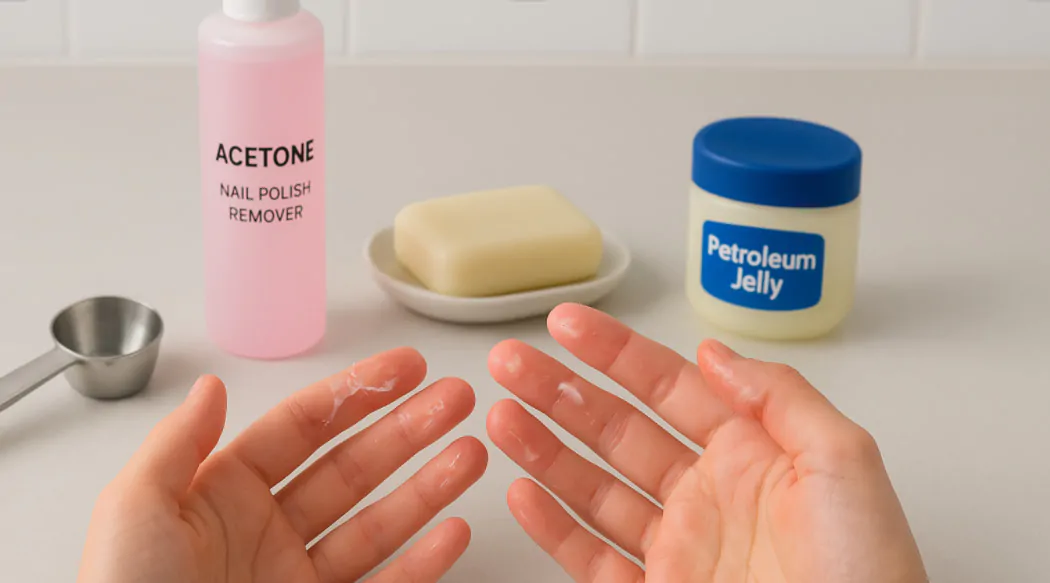
Getting super glue on skin happens frequently during DIY projects, craft activities, and household repairs, creating an urgent need for safe removal techniques. Super glue removal from skin requires gentle methods that dissolve the cyanoacrylate bond without causing damage or irritation to your skin. Removing super glue safely involves using common household items like acetone, soap and warm water, or petroleum jelly to break down the adhesive properties. Super glue on fingers can be particularly challenging since fingertips have delicate skin that requires careful handling during the removal process. Cyanoacrylate adhesive removal works best when approached immediately, though dried super glue can still be removed with patience and proper techniques. Safe glue removal methods protect your skin while effectively dissolving the bond, preventing further irritation or damage. Understanding how to remove super glue from hands ensures you can handle these common accidents confidently without panic or improper techniques that might worsen the situation or cause unnecessary discomfort to affected areas.
Immediate Response to Super Glue Contact
Don’t panic or force separation when super glue contacts your skin, as pulling apart bonded fingers or skin areas can cause tears, cuts, or additional damage to the affected tissue.
Assess the situation quickly to determine how much skin area is affected and whether the glue has bonded skin to skin, skin to objects, or simply created a film on the surface.
Avoid hot water initially as heat can actually set the super glue more permanently, making removal more difficult and potentially causing burns when combined with the chemical reaction.
Acetone Method for Quick Removal
Nail polish remover containing acetone provides the most effective method for dissolving super glue, as acetone specifically breaks down cyanoacrylate bonds without requiring excessive force or scrubbing.
Application technique involves soaking a cotton ball or pad with acetone and gently dabbing the affected area for 30-60 seconds before attempting to peel away the softened glue.
Safety precautions include using acetone in well-ventilated areas, avoiding contact with eyes or open wounds, and moisturizing the skin afterward since acetone can cause dryness.
| Method | Effectiveness | Time Required | Skin Safety |
|---|---|---|---|
| Acetone | Highest | 1-3 minutes | Moderate (can dry skin) |
| Soap + Water | Moderate | 5-15 minutes | Highest |
| Petroleum Jelly | Moderate | 10-30 minutes | Highest |
| Pumice Stone | Low to Moderate | 15-45 minutes | Low (abrasive) |
Gentle Soap and Water Technique
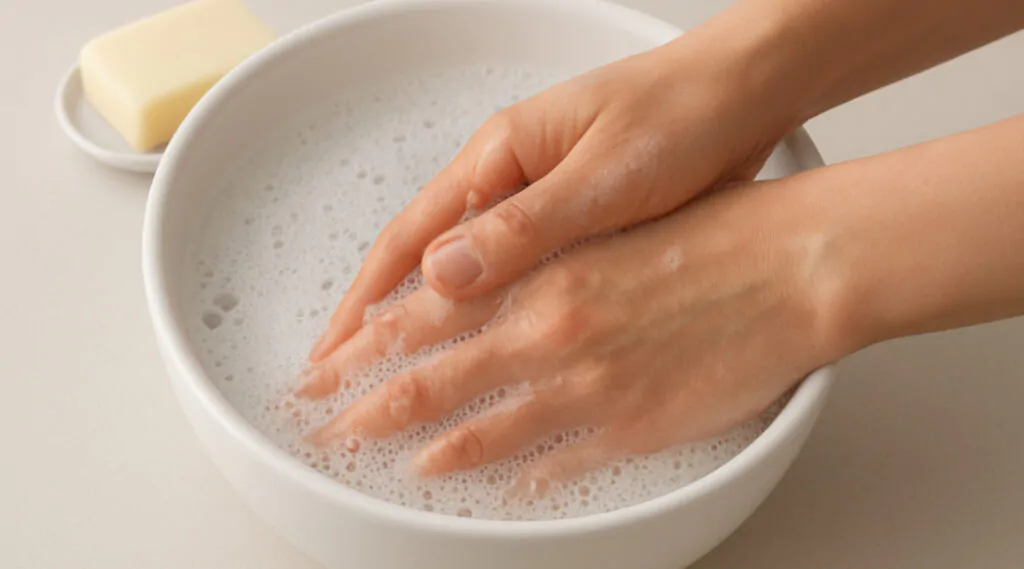
Warm soapy water works effectively for smaller amounts of super glue and provides the safest option for sensitive skin areas or when acetone isn’t available at home.
Soaking process involves immersing the affected area in warm, soapy water for 10-15 minutes to soften the glue before gently rubbing with a soft cloth or your fingers.
Repeated applications may be necessary for stubborn glue spots, but this method minimizes skin irritation and chemical exposure compared to stronger solvents like acetone.
Petroleum Jelly and Oil-Based Methods
Petroleum jelly application works by gradually breaking down the super glue’s bond while moisturizing the skin, making it ideal for sensitive areas or when other methods cause irritation.
Massage technique involves applying a generous amount of petroleum jelly to the affected area and gently massaging for several minutes to work the product under the glue edges.
Alternative oils including olive oil, coconut oil, or baby oil can substitute for petroleum jelly and provide similar results with natural moisturizing properties for your skin.
Mechanical Removal Approaches
Gentle filing with an emery board or fine nail file can help remove surface layers of dried super glue, particularly effective for thick glue buildup on fingertips.
Pumice stone method provides more aggressive removal but requires extreme caution to avoid skin damage, working best for thick glue deposits on callused areas like heels.
Rolling technique involves gently rolling the dried glue between your fingers to create friction that helps separate the adhesive from your skin without harsh chemicals.
Special Situations
- Stuck fingers together: Keep them submerged in warm soapy water then slowly and patiently wiggle and roll do not snap apart. Add petroleum jelly between contact surfaces after initial softening.
- Glue on nails and cuticles: File only the top glue surface lightly after soaking then re soak and gently peel. Use minimal acetone to protect nail plates and surrounding skin.
- Face or lips: Avoid acetone. Use warm water compresses plus petroleum jelly or oil. Seek medical advice if near eyes or mucous membranes.
- Eyes: Emergency. Do not force eyelids open. Cover with sterile wet dressing and seek urgent medical care.
- Children: Avoid solvents. Use warm water patience. Consult a professional if large areas or sensitive regions are involved.
When to Seek Medical Help
- Persistent pain heat swelling or rash
- Accidental eye exposure
- Glue sealing mouth nose or deep wound
- Allergic reaction signs such as widespread rash or breathing difficulty
- Large surface area especially in infants or elderly
What Not to Do
- No ripping or tearing
- No sharp scraping blades
- No prolonged soaking in concentrated acetone
- No application of highly abrasive powders or gritty cleaners
- No heating with hair dryer or open flame (fire risk)
Forcing separation of bonded skin can cause tears, cuts, or more extensive damage than the original glue accident, making professional removal necessary.
Using inappropriate tools like knives, scissors, or sharp objects increases injury risk and can cause permanent scarring or nerve damage.
Ignoring pain signals during removal indicates potential skin damage, requiring immediate cessation of removal attempts and possible medical consultation.
Alternative Household Items
Lemon juice contains natural acids that can help break down super glue bonds while being gentler on skin than commercial solvents or harsh chemicals.
Margarine or butter provides oil-based removal options when petroleum jelly isn’t available, though they may require longer application times for effectiveness.
Hand lotion with lanolin or similar ingredients can sometimes soften super glue enough for gentle removal, particularly for thin layers or small areas.
Frequently Asked Questions
What removes super glue from skin fastest? Acetone-based nail polish remover provides the quickest removal, typically working within 1-3 minutes, though soap and water offers a safer alternative for sensitive skin.
Is it safe to use acetone on skin? Acetone is generally safe for brief skin contact but can cause dryness and irritation. Use in ventilated areas, avoid prolonged exposure, and moisturize afterward.
Can super glue cause permanent skin damage? Super glue rarely causes permanent damage when removed properly. However, forcing removal or using inappropriate methods can cause cuts, tears, or scarring.
How long should I soak glued skin in soapy water? Soak for 10-15 minutes in warm soapy water, then gently rub the area. Repeat the process if necessary rather than using excessive force.
When should I call a doctor about super glue on skin? Seek medical help for large affected areas, eye contact, signs of infection, or if home removal methods cause additional injury or severe irritation.
Will super glue eventually come off by itself? Yes, super glue will gradually wear off through natural skin shedding over 3-7 days, but active removal is more comfortable and practical.
References Authentic Sources
- National Health Service https://www.nhs.uk
- Mayo Clinic https://www.mayoclinic.org
- Poison Control (USA) https://www.poison.org
- US Food and Drug Administration food safety portal https://www.fda.gov/food
- National Center for Home Food Preservation general handling resources https://nchfp.uga.edu
Article Summary
The phrase how to get super glue off skin centers on softening cyanoacrylate safely. Begin with warm soapy water soaks and gentle rolling. Use petroleum jelly or household oil to infiltrate edges. Reserve tiny acetone dabs for stubborn spots on intact skin. Avoid tearing or scraping. Moisturize afterward and seek medical help for eyes mucous membranes large areas or adverse reactions. Patience and repetition protect skin integrity.