Yes, you can freeze coconut milk successfully using proper storage techniques and understanding texture changes that occur during the freezing process. Freezing coconut milk extends its shelf life from weeks to months, making it an excellent way to preserve leftover portions and reduce food waste. Coconut milk storage in the freezer works best when using ice cube trays, freezer bags, or airtight containers depending on your intended use. The frozen coconut milk maintains its nutritional value and flavor, though the texture may separate slightly after thawing. Coconut milk preservation through freezing is particularly useful for cooking and baking applications where texture changes are less noticeable. Understanding the proper freezing methods ensures you maximize the quality and usability of your frozen coconut milk while maintaining food safety standards. Whether using canned or carton coconut milk, following correct freezing techniques allows you to keep this versatile ingredient on hand for smoothies, curries, and desserts whenever needed.
Best Methods for Freezing Coconut Milk
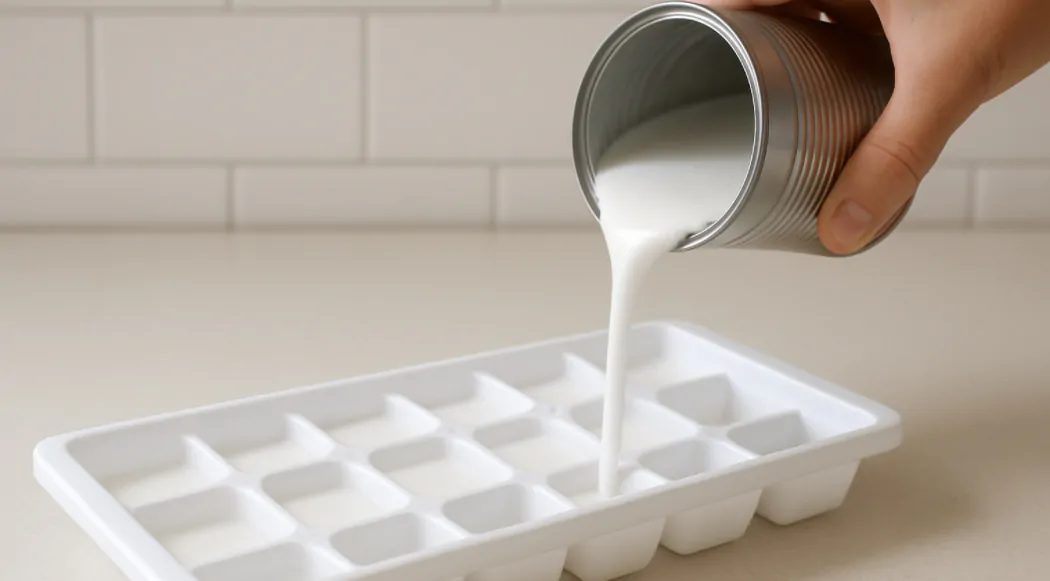
Ice cube tray method represents the most practical approach for freezing coconut milk in portion-controlled sizes. Each cube contains approximately one to two tablespoons, perfect for adding to smoothies, coffee, or recipes without thawing entire containers.
Freezer bag technique works well for larger quantities, allowing you to pour coconut milk into labeled freezer bags and lay them flat for space-efficient storage. This method enables easy portioning when partially thawed.
Airtight container storage suits situations where you need to freeze entire cans or cartons of coconut milk. Remember to leave expansion space at the top since liquids expand when frozen.
Texture Changes During Freezing
Separation occurs naturally when coconut milk freezes, causing the fat and water components to separate into distinct layers. This separation is normal and doesn’t indicate spoilage or quality loss.
Grainy texture development may happen after thawing, particularly with full-fat coconut milk varieties. Consequently, frozen and thawed coconut milk works better in cooked applications than for drinking directly.
Mixing techniques can help restore smoothness after thawing. Vigorous whisking, blending, or using an immersion blender often improves the consistency for most culinary uses.
| Storage Method | Portion Size | Freezing Time | Best Uses |
|---|---|---|---|
| Ice Cube Trays | 1-2 tablespoons | 3-4 hours | Smoothies, coffee |
| Freezer Bags | 1/2 to 1 cup | 4-6 hours | Cooking, baking |
| Containers | Full can/carton | 6-8 hours | Large recipes |
| Flat Freezing | Variable portions | 3-5 hours | Easy portioning |
Storage Duration and Safety Guidelines
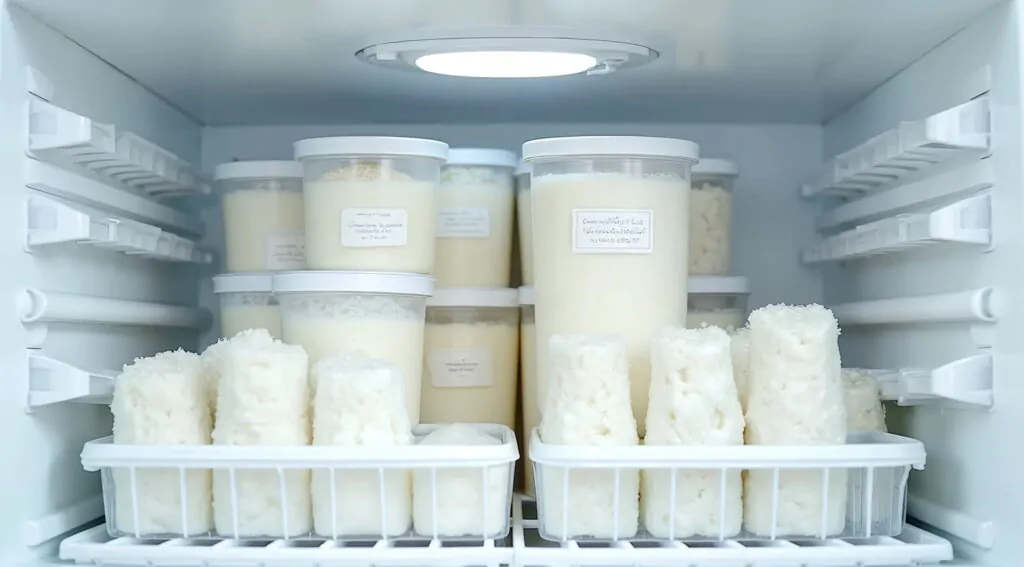
Freezer life expectancy for coconut milk extends up to 6 months when stored properly in airtight containers or freezer bags. However, quality remains best when used within 3 months of freezing.
Food safety considerations require maintaining consistent freezer temperatures at 0°F or below to prevent bacterial growth and ensure the coconut milk remains safe for consumption throughout storage.
Quality indicators help determine if frozen coconut milk remains good to use. Fresh frozen coconut milk should maintain its original color and show no signs of freezer burn or off odors.
- Safety
At zero degrees Fahrenheit, frozen food stays safe indefinitely, although quality declines over time
USDA FSIS freezing basics: https://www.fsis.usda.gov/food-safety/safe-food-handling-and-preparation/food-safety-basics/freezing-and-food-safety - Quality window
Use within two to three months for best taste and texture - After thawing
Keep refrigerated and use within three to five days. Do not refreeze repeatedly, as quality will drop
Labeling and Organization Systems
Date labeling proves essential for tracking storage duration and ensuring you use older portions first. Include both the freezing date and contents description on each container or bag.
Portion identification helps with meal planning and reduces waste by allowing you to thaw only the amount needed for specific recipes or uses.
Freezer organization involves grouping coconut milk portions together and rotating stock to maintain freshness and prevent forgotten containers from becoming freezer burned.
Some more Quality Tips
- Use smaller containers so you only thaw what you need
- Freeze cubes for smoothies and quick sauces
- Add a pinch of salt or a squeeze of lime when reheating savory dishes to brighten flavor after freezing
- Simmer gently to re emulsify in curries and soups
Cooking Applications for Frozen Coconut Milk
Curry preparations work excellently with previously frozen coconut milk, as the heating process naturally addresses any texture separation while maintaining the rich flavor profile.
Smoothie ingredients benefit from using frozen coconut milk cubes, which add creaminess while helping create the desired cold temperature without diluting flavors with ice.
Baking applications show minimal difference when using thawed coconut milk versus fresh, making frozen storage particularly practical for regular bakers who use coconut milk frequently.
Different Coconut Milk Types and Freezing
Canned coconut milk typically contains higher fat content, which may separate more noticeably when frozen but still maintains excellent cooking properties after proper thawing and mixing.
Carton coconut milk usually has lower fat content and additional stabilizers, resulting in less separation during freezing but potentially slightly different texture characteristics.
Light versus full fat varieties respond differently to freezing, with full-fat versions showing more separation but richer flavor, while light versions maintain consistency better but offer less richness.
Troubleshooting Common Issues
Preventing freezer burn requires proper packaging with minimal air exposure, using vacuum-sealed bags or pressing air out of freezer bags before sealing completely.
Addressing grittiness after thawing involves thorough mixing, blending, or straining through fine mesh to remove any crystallized particles that developed during freezing.
Restoring smoothness can be achieved through warming slightly and whisking vigorously, or using an immersion blender for stubborn separation issues.
Equipment and Container Recommendations
Ice cube tray selection should prioritize silicone varieties for easy removal and standard-sized cubes for consistent portioning. Additionally, cover trays with plastic wrap to prevent odor absorption.
Freezer bag quality matters significantly for preventing leaks and maintaining freshness. Choose heavy-duty freezer bags designed for liquid storage rather than standard storage bags.
Container materials should be freezer-safe plastic or glass with tight-fitting lids. Leave appropriate expansion space to prevent cracking or lid displacement during freezing.
Cost Effective Storage Strategies
Bulk purchase benefits become more practical when you can freeze excess coconut milk, allowing you to take advantage of sales and reduce per-unit costs without waste concerns.
Portion control advantages help minimize waste by freezing coconut milk in recipe-appropriate sizes, ensuring you thaw only what you need for specific cooking projects.
Inventory management involves tracking frozen portions and planning meals around available supplies to maximize usage before quality begins to decline over time.
Frequently Asked Questions
How long can you freeze coconut milk safely? Coconut milk can be safely frozen for up to 6 months when stored properly, though quality remains best within the first 3 months of freezing.
Does frozen coconut milk taste different after thawing? The flavor remains essentially the same, but the texture may become slightly grainy or separated, making it better suited for cooking rather than drinking straight.
Can you freeze coconut milk in its original container? Avoid freezing coconut milk in glass jars or cans, as expansion can cause breakage. Transfer to freezer-safe containers with expansion room.
What’s the best way to use thawed coconut milk? Thawed coconut milk works excellently in cooked dishes like curries, soups, and baked goods where texture changes are less noticeable than in cold applications.
How do you fix separated coconut milk after freezing? Whisk vigorously, use an immersion blender, or warm slightly while stirring to help recombine the separated fat and water components.
Is it safe to refreeze coconut milk after thawing? Refreezing is not recommended as it further degrades texture and may compromise food safety. Use thawed coconut milk within 2-3 days of defrosting.
Safety and Storage Resources
- Freezing and food safety from USDA FSIS
https://www.fsis.usda.gov/food-safety/safe-food-handling-and-preparation/food-safety-basics/freezing-and-food-safety - Refrigeration and cold storage basics
https://www.fsis.usda.gov/food-safety/safe-food-handling-and-preparation/food-safety-basics/refrigeration-and-food-safety - FoodKeeper App overview for storage recommendations
https://www.foodsafety.gov/keep-food-safe/foodkeeper-app - Freezing basics from the National Center for Home Food Preservation
https://nchfp.uga.edu/how/freeze.html - FDA overview on frozen food safety
https://www.fda.gov/food/buy-store-serve-safe-food/are-frozen-foods-safe
Article Summary
You can freeze coconut milk for future use. Separation after thawing is normal and safe. Freeze in airtight portions, thaw in the refrigerator, then whisk or blend to bring back a smooth texture. It is excellent for curries, soups, and smoothies. For best results, use within two to three months, and follow food safety basics from USDA and FDA resources.