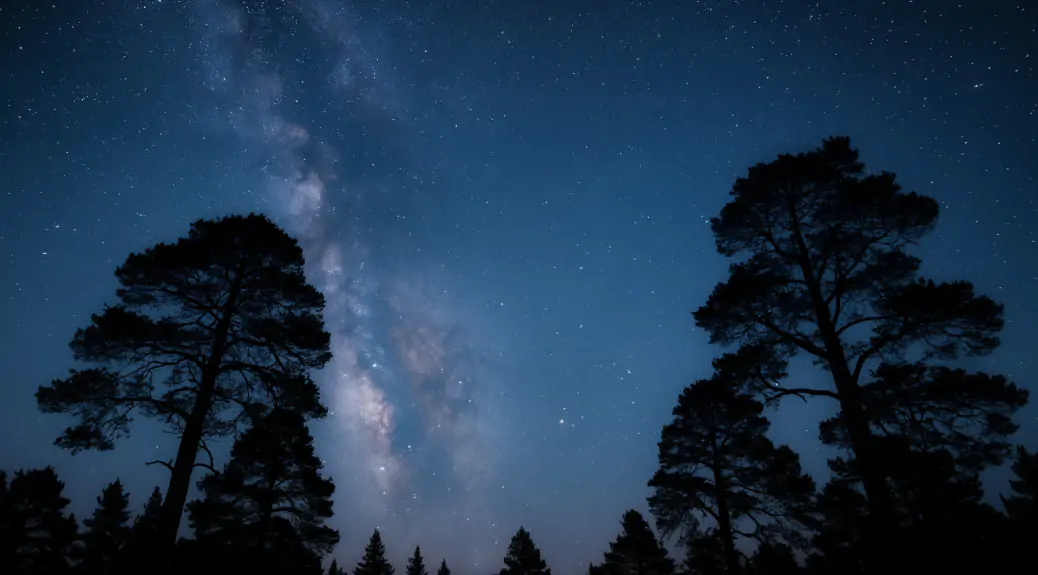
Scotland offers some of the world’s most spectacular dark sky parks where visitors can experience pristine night skies free from light pollution. These protected areas provide exceptional opportunities for stargazing, astronomy, and night photography across the Scottish landscape. From the internationally recognised Galloway Forest Park to lesser known discovery sites, Scotland’s commitment to preserving dark skies has made it a premier destination for astronomy enthusiasts. Whether you’re a seasoned astronomer or simply curious about the night sky, these designated areas offer unforgettable celestial experiences that showcase the natural beauty of Scotland’s nighttime environment.
What Makes Scotland Perfect for Dark Sky Parks
Scotland’s geography and climate create ideal conditions for dark sky preservation and astronomical observation. The country’s relatively low population density means fewer sources of artificial light pollution, particularly in rural and highland areas where most dark sky sites are located.
Additionally, Scotland’s northerly latitude provides unique astronomical advantages, including extended periods of darkness during winter months and opportunities to observe phenomena like the Northern Lights. The varied landscape, from coastal areas to mountain ranges, offers diverse settings for stargazing experiences.
Weather patterns, while sometimes challenging, often provide crystal clear nights with exceptional visibility. The clean air quality in remote Scottish locations further enhances viewing conditions, making even faint celestial objects visible to the naked eye.
Furthermore, Scotland’s strong environmental conservation culture has supported the establishment and maintenance of these protected dark sky areas. Local communities actively participate in reducing light pollution and preserving the natural nighttime environment.
Seasonal and Lunar Planning
| Month band | Darkness length | Typical targets | Notes |
|---|---|---|---|
| August end to September | Nights lengthen again | Milky Way visibility Scotland late summer band | Midge presence fades later in September |
| October to November | Long dark evenings | Andromeda galaxy autumn meteor showers | Stable period before deep winter storms peak |
| December to January | Longest nights | Orion nebula winter star clusters | Cold damp air may require lens dew control |
| February to March | Dark evenings but earlier dawn birdsong | Zodiacal light on very clear horizons | Good balance of darkness and milder travel |
| April to early May | Rapid shortening nights | Late season galaxies | After this period true darkness shrinks at high latitude |
Lunar phase matters. Aim for the week around new moon for faint structure or accept a bright moon for casual social sessions and brighter targets.
Galloway Forest Park Dark Sky Designation
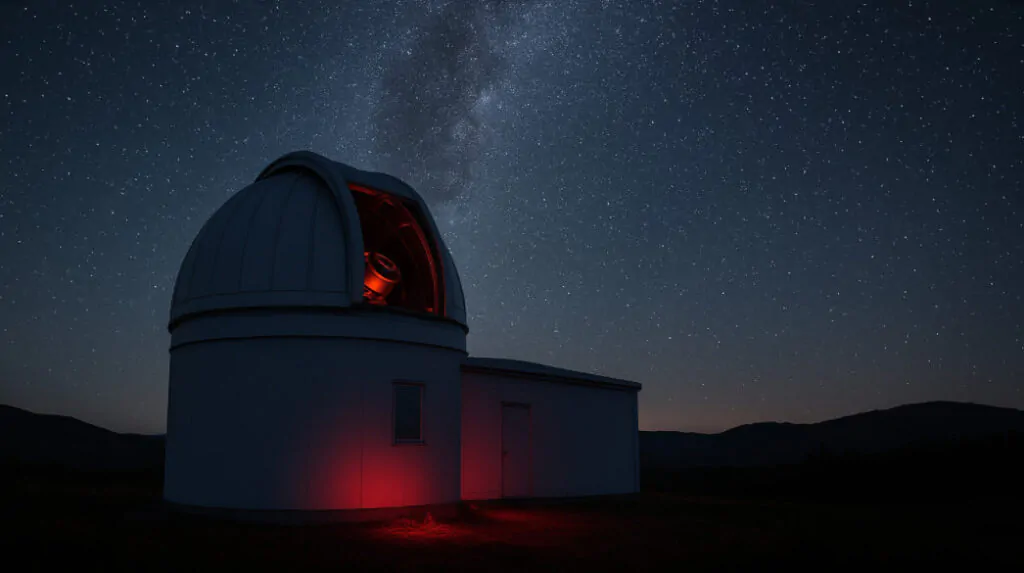
Galloway Forest Park holds the distinction of being Scotland’s first and most prestigious dark sky park, receiving International Dark Sky Association recognition in 2009. This 300 square mile area in southern Scotland became only the fourth location worldwide to achieve this prestigious designation.
The park’s central core area maintains strict lighting policies, with no permanent illumination allowed to preserve the pristine dark sky conditions. This commitment to darkness protection ensures exceptional stargazing opportunities throughout the year.
Located in Dumfries and Galloway, the park offers multiple viewing areas with different accessibility levels. The Scottish Dark Sky Observatory within the park provides professional grade telescopes and expert guidance for visitors seeking enhanced astronomical experiences.
Moreover, the park’s infrastructure includes specially designed viewing areas, educational facilities, and accommodation options for overnight stargazing adventures. These facilities make astronomy accessible to visitors of all experience levels and physical abilities.
Dark Sky Discovery Sites Across Scotland
Scotland hosts numerous Dark Sky Discovery Sites that provide excellent stargazing opportunities in more accessible locations. These sites, while not achieving full International Dark Sky Park status, offer quality dark sky experiences closer to populated areas.
Glen Nevis near Fort William became one of the world’s first Dark Sky Discovery Sites in 2009, offering spectacular mountain backdrop viewing conditions. The site’s proximity to Ben Nevis creates dramatic silhouettes against the star filled sky.
Newbattle Abbey in Dalkeith provides urban accessible dark sky viewing for Edinburgh area residents. This site demonstrates how dark sky preservation can succeed even near major population centres through careful lighting management.
Other notable discovery sites include locations in the Highlands, Islands, and Borders regions, each offering unique characteristics and viewing opportunities. These sites form a network of protected areas that collectively preserve Scotland’s nighttime heritage.
Scotland’s Astronomy Tourism Appeal
The country’s dark sky parks have become major attractions for astronomy tourism, drawing visitors from across the UK and internationally. This specialized form of tourism combines natural beauty appreciation with scientific education and recreational stargazing. Professional astronomy tours operate throughout Scotland’s dark sky areas, offering guided experiences led by expert astronomers. These tours provide high quality telescopes, educational presentations, and photography guidance for participants.
Accommodation providers near dark sky sites have adapted their offerings to support astronomy tourism. Many now provide wake up calls for meteor showers, darkroom facilities for astrophotographers, and specialized equipment storage. The economic impact of astronomy tourism benefits local communities through increased visitor spending on accommodation, food, and services. This economic incentive helps maintain community support for dark sky preservation efforts.
Best Times for Scottish Stargazing
Timing plays a crucial role in maximizing stargazing experiences at Scotland’s dark sky parks. Winter months provide the longest periods of darkness, with some locations experiencing up to 17 hours of night sky viewing time.
- Autumn and winter seasons offer optimal conditions for observing deep sky objects, planets, and seasonal constellations. The crisp air during colder months often provides exceptional atmospheric clarity for astronomical observation.
- New moon periods provide the darkest conditions for faint object observation, while phases around the first and third quarters offer balanced lighting for both lunar and stellar viewing. Planning visits around these lunar cycles enhances the overall experience.
- Weather patterns require flexible planning, as Scottish conditions can change rapidly. However, clear nights often provide some of the most spectacular viewing conditions found anywhere in Europe.
Just as planning is essential for maintaining proper nutrition, successful stargazing requires advance preparation and timing consideration.
Night Sky Photography Opportunities
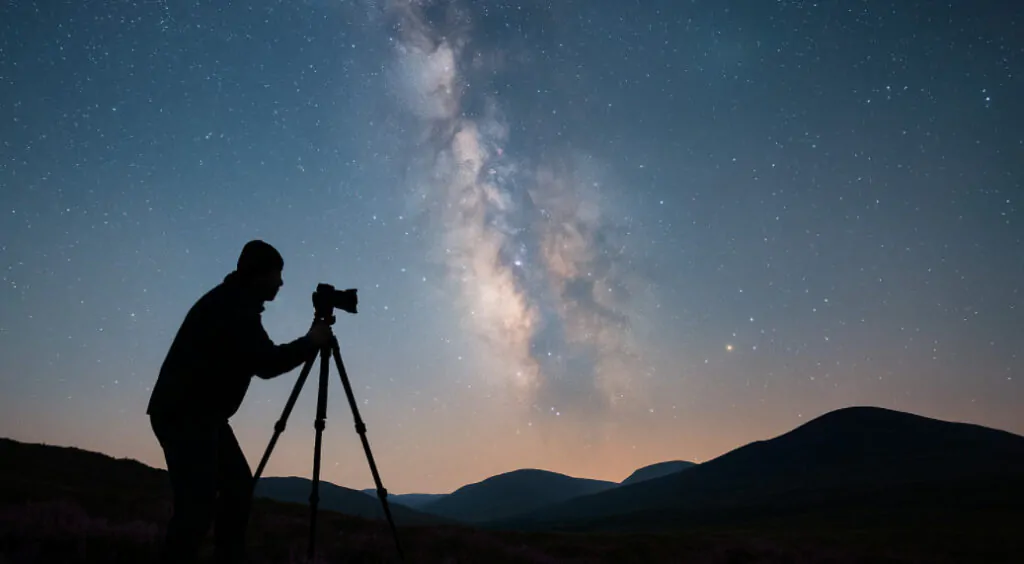
Scotland’s dark sky parks provide exceptional opportunities for astrophotography and night sky imaging. The pristine conditions allow photographers to capture detailed images of celestial objects, star trails, and landscape astronomy compositions.
Professional and amateur photographers visit these locations specifically for the low light pollution levels that enable long exposure photography. The dramatic Scottish landscapes provide compelling foreground elements for astronomical compositions.
Many sites offer photography workshops and guidance for those learning astrophotography techniques. These educational programs teach camera settings, composition principles, and post processing methods specific to night sky imaging. The variety of Scottish dark sky locations means photographers can create diverse portfolios showcasing different landscapes and celestial phenomena. From coastal settings to mountain backdrops, each location offers unique photographic possibilities.
Planning Your Dark Sky Park Visit
Successful visits to Scotland’s dark sky parks require careful planning and preparation. Checking weather forecasts, moon phases, and seasonal conditions helps optimize viewing experiences and avoid disappointment. Essential equipment includes warm clothing, red filtered torches to preserve night vision, and comfortable seating for extended observation periods. Many visitors also bring thermoses with hot drinks to maintain comfort during long viewing sessions.
Transportation planning becomes particularly important for remote locations with limited public transport access. Many visitors choose to stay overnight near dark sky sites to maximize viewing opportunities and avoid driving in darkness. Booking accommodation well in advance ensures availability, especially during popular astronomical events like meteor showers or planetary alignments. Many dark sky area accommodations offer specialized packages for astronomy enthusiasts.
Dark Sky Conservation Efforts
Scotland’s commitment to dark sky preservation involves coordinated efforts between government agencies, conservation organizations, and local communities. These partnerships work to minimize light pollution while maintaining necessary safety and security lighting. Educational programs teach residents and businesses about lighting best practices that preserve dark skies while meeting practical needs. These initiatives demonstrate how communities can balance development with environmental conservation.
Research programs based at Scottish dark sky sites contribute to global understanding of light pollution impacts on wildlife, human health, and astronomical observation. This scientific work supports broader conservation efforts worldwide and international collaboration through organizations like the International Dark Sky Association helps Scottish sites maintain their designations and share best practices with other dark sky locations globally.
Scotland’s Dark Sky Locations
| Location | Type | Designation Year | Region |
|---|---|---|---|
| Galloway Forest Park | International Dark Sky Park | 2009 | Dumfries & Galloway |
| Glen Nevis | Dark Sky Discovery Site | 2009 | Highland |
| Newbattle Abbey | Dark Sky Discovery Site | 2009 | Midlothian |
| Various Highland Sites | Discovery Sites | Various | Highland |
| Island Locations | Discovery Sites | Various | Islands |
Frequently Asked Questions
What is the difference between a Dark Sky Park and a Discovery Site?
International Dark Sky Parks have stricter lighting controls and larger protected areas, while Dark Sky Discovery Sites offer quality dark skies with easier access but may have some light pollution. Parks require extensive community commitment and infrastructure changes, whereas Discovery Sites focus on providing good stargazing opportunities within existing communities.
When is the best time of year to visit Scottish dark sky parks?
Winter months from October to February provide the longest nights and clearest atmospheric conditions. However, summer months offer warmer weather and unique phenomena like the possibility of seeing noctilucent clouds. Each season provides different astronomical viewing opportunities.
Do I need special equipment to enjoy dark sky parks in Scotland?
While telescopes and binoculars enhance the experience, they’re not essential. Your eyes can see thousands of stars, planets, and the Milky Way from these locations. Warm clothing, a red torch, and a comfortable chair are more important for enjoying extended stargazing sessions.
Are Scottish dark sky parks suitable for children and families?
Yes, most dark sky sites welcome families and offer educational programs designed for children. Many locations provide junior astronomer activities and family friendly facilities. However, late night viewing requires consideration of children’s sleep schedules and weather conditions.
How do I get to remote dark sky parks in Scotland?
Most dark sky parks require private transport as public transport to remote locations is limited, especially for evening visits. Some locations offer guided tours with transportation included. Planning overnight accommodation near the sites eliminates the need for night driving.
Can I see the Northern Lights from Scottish dark sky parks?
Scotland’s latitude makes Northern Lights viewing possible, particularly from northern dark sky sites during periods of high solar activity. While not guaranteed, clear dark skies increase your chances of witnessing this phenomenon when geomagnetic conditions are favorable.
References:
- VisitScotland Dark Sky Parks: https://www.visitscotland.com/things-to-do/landscapes-nature/dark-sky-parks-sites
- Dark Sky Scotland: https://www.darkskyscotland.org.uk/dark_sky_places/
- Forestry and Land Scotland Galloway: https://forestryandland.gov.scot/visit/forest-parks/galloway-forest-park/dark-skies
Article Summary
Scotland hosts internationally recognised dark sky parks at Galloway Forest Park and Tomintoul and Glenlivet plus other rural sites with low light. Prime months span autumn to early spring when long darkness and occasional aurora align. Success depends on lunar planning weather readiness and simple respectful lighting habits. Etymology of core astronomy terms points to Greek and Latin roots with scholarly reconstructions guiding current usage.