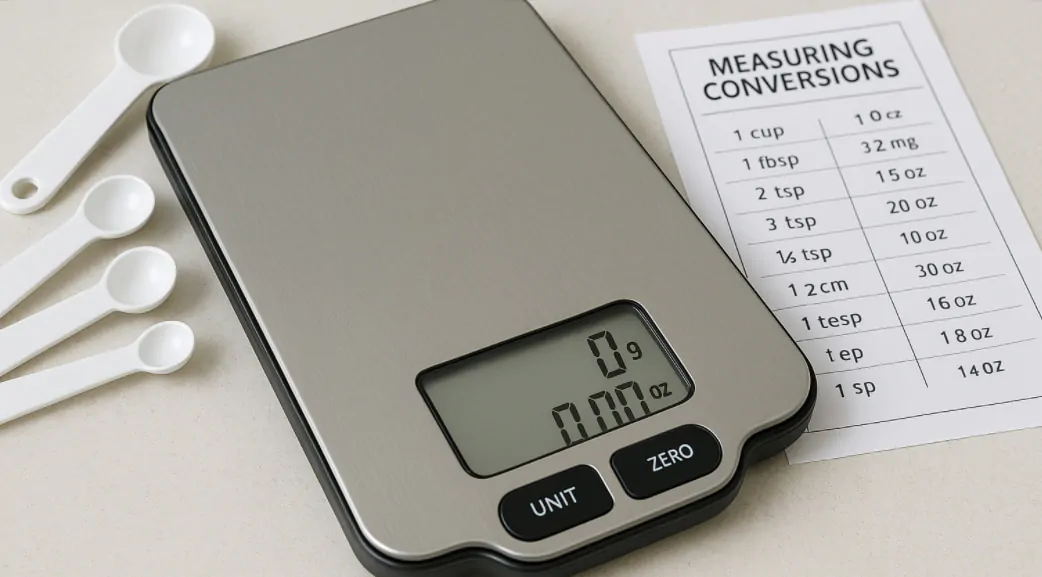
There are exactly 28.3495 grams in one ounce according to the international avoirdupois system, making this the most precise conversion rate for standard weight measurements. Grams to ounce conversion is essential for cooking, baking, scientific measurements, and international commerce where metric and imperial systems intersect. Understanding how many grams in an ounce helps with recipe conversions, nutritional calculations, and accurate measurements across different measurement systems. The gram ounce conversion rate of 28.3495 provides precise calculations, though many practical applications round this to 28.35 grams for simplicity. Weight conversion between grams and ounces appears frequently in cooking recipes, dietary tracking, jewelry measurements, and scientific applications. Metric to imperial conversion knowledge becomes increasingly important as global commerce and international recipes require accurate measurement translations. Whether you’re converting ingredient weights, calculating nutritional information, or working with precious metals, knowing the exact ounce to gram ratio ensures accuracy in your measurements and calculations.
Exact Conversion Rate and Precision
28.3495 grams equals one avoirdupois ounce represents the internationally accepted standard conversion rate used in most commercial and scientific applications worldwide.
Rounding for practical use often simplifies this to 28.35 grams or even 28 grams for quick mental calculations, depending on the required precision level for your specific application.
Scientific precision demands using the full 28.3495 figure for laboratory work, pharmaceutical measurements, and other applications where accuracy is critical for safety or quality control.
Different Types of Ounces
Avoirdupois ounce contains 28.3495 grams and represents the standard ounce used in everyday measurements, cooking, and most commercial applications throughout the United States and other countries.
Troy ounce weighs 31.1035 grams and is used specifically for precious metals like gold, silver, and platinum, making it heavier than the standard avoirdupois ounce.
Fluid ounce measures volume rather than weight, so its gram equivalent varies depending on the density of the substance being measured, unlike the consistent weight-based conversions above.
| Ounce Type | Grams | Primary Uses | Precision Level |
|---|---|---|---|
| Avoirdupois | 28.3495 | Cooking, general weight | High precision |
| Troy | 31.1035 | Precious metals | Exact measurements |
| Rounded | 28.35 | Quick calculations | Practical use |
| Simplified | 28 | Mental math | Approximate |
Practical Conversion Applications
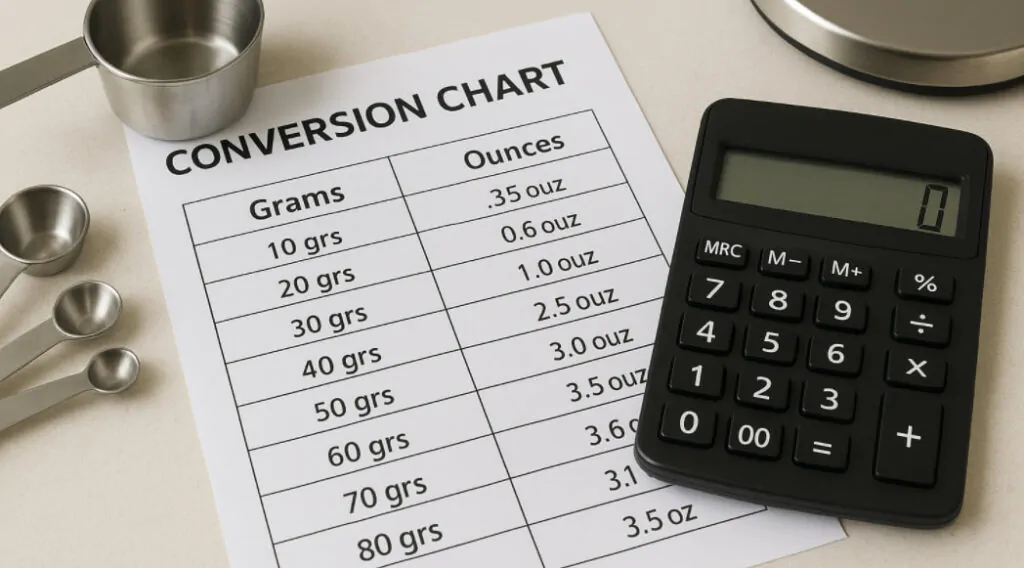
Cooking conversions frequently require changing recipe measurements from metric to imperial systems, especially when using international recipes or adjusting serving sizes for different measurement preferences.
Nutritional calculations depend on accurate gram to ounce conversions for tracking macronutrients, portion sizes, and dietary requirements when using different measurement systems.
Jewelry and precious metals require precise conversions between troy ounces and grams for pricing, trading, and manufacturing applications where small differences affect significant monetary values.
Quick Conversion Methods
Mental math shortcuts involve remembering that one ounce equals approximately 28 grams, making it easy to estimate conversions quickly without calculators for everyday situations.
Multiplication factors use 0.035274 to convert grams to ounces or 28.3495 to convert ounces to grams, providing accurate results for precise measurements.
Digital tools including smartphone apps, online calculators, and kitchen scales with dual displays eliminate calculation errors and provide instant, accurate conversions.
Measurement System Differences
Metric system advantages include decimal-based calculations, international standardization, and logical unit relationships that make conversions between different metric units straightforward.
Imperial system usage continues primarily in the United States for everyday measurements, though many scientific and medical applications use metric measurements exclusively.
Global standardization trends show increasing adoption of metric measurements worldwide, making gram to ounce conversions essential for international communication and commerce.
Calculator and Formula Usage
Basic conversion formula multiplies grams by 0.035274 to get ounces, or multiplies ounces by 28.3495 to get grams, providing accurate results for any quantity.
Percentage accuracy varies depending on rounding methods, with full precision calculations differing by less than 1% from rounded approximations in most practical applications.
Digital precision tools eliminate human calculation errors and provide consistent, accurate results across multiple conversions, especially important for scientific or commercial uses.
Historical Context and Standards
Measurement evolution shows how the avoirdupois ounce developed from medieval English trading standards and became standardized through international agreements over centuries.
Modern standardization occurred through international treaties establishing exact conversion rates between metric and imperial systems for global commerce and scientific cooperation.
Legal definitions vary slightly between countries, though the 28.3495 gram conversion rate represents the internationally accepted standard for most commercial and scientific purposes.
Frequently Asked Questions
How do you convert 100 grams to ounces? Multiply 100 by 0.035274 to get 3.5274 ounces, or use the simple approximation of dividing by 28.35 to get approximately 3.53 ounces.
Is 28 grams close enough to 1 ounce for cooking? For most cooking applications, 28 grams provides sufficient accuracy, though baking and precise recipes benefit from using 28.35 grams for better results.
What’s the difference between regular and troy ounces in grams? A regular (avoirdupois) ounce equals 28.3495 grams, while a troy ounce equals 31.1035 grams, making troy ounces about 10% heavier.
Why do recipes use different measurement systems? Historical development, regional preferences, and traditional cooking methods influence whether recipes use metric grams or imperial ounces for ingredient measurements.
How accurate do gram to ounce conversions need to be? Accuracy requirements depend on application: cooking tolerates small variations, while pharmaceuticals and precious metals require exact conversions.
Can I use online converters for professional measurements? Professional applications should verify online converter accuracy and consider using calibrated scales or certified conversion tools for critical measurements.
References Authentic Sources
- NIST International System of Units overview https://www.nist.gov/pml/weights-and-measures/si-units
- NIST exact conversion factors (pound kilogram relation) https://www.nist.gov/pml/owm/si-units-mass
- BIPM SI Brochure https://www.bipm.org/en/measurement-units/
- UK National Physical Laboratory measurement units pages https://www.npl.co.uk/si-units
- USDA FoodData Central (ingredient weights context) https://fdc.nal.usda.gov/
Article summary
The expression how many grams in an ounce refers to converting the international avoirdupois ounce into the metric system. The exact figure is 28.349523125 grams while the troy ounce used for precious metals is 31.1034768 grams. In kitchens a rounded 28.35 or even 28 is common for simplicity. Accurate recipe scaling and international communication benefit from adopting grams. Use the tables formulas and rounding advice above for quick reliable conversions.