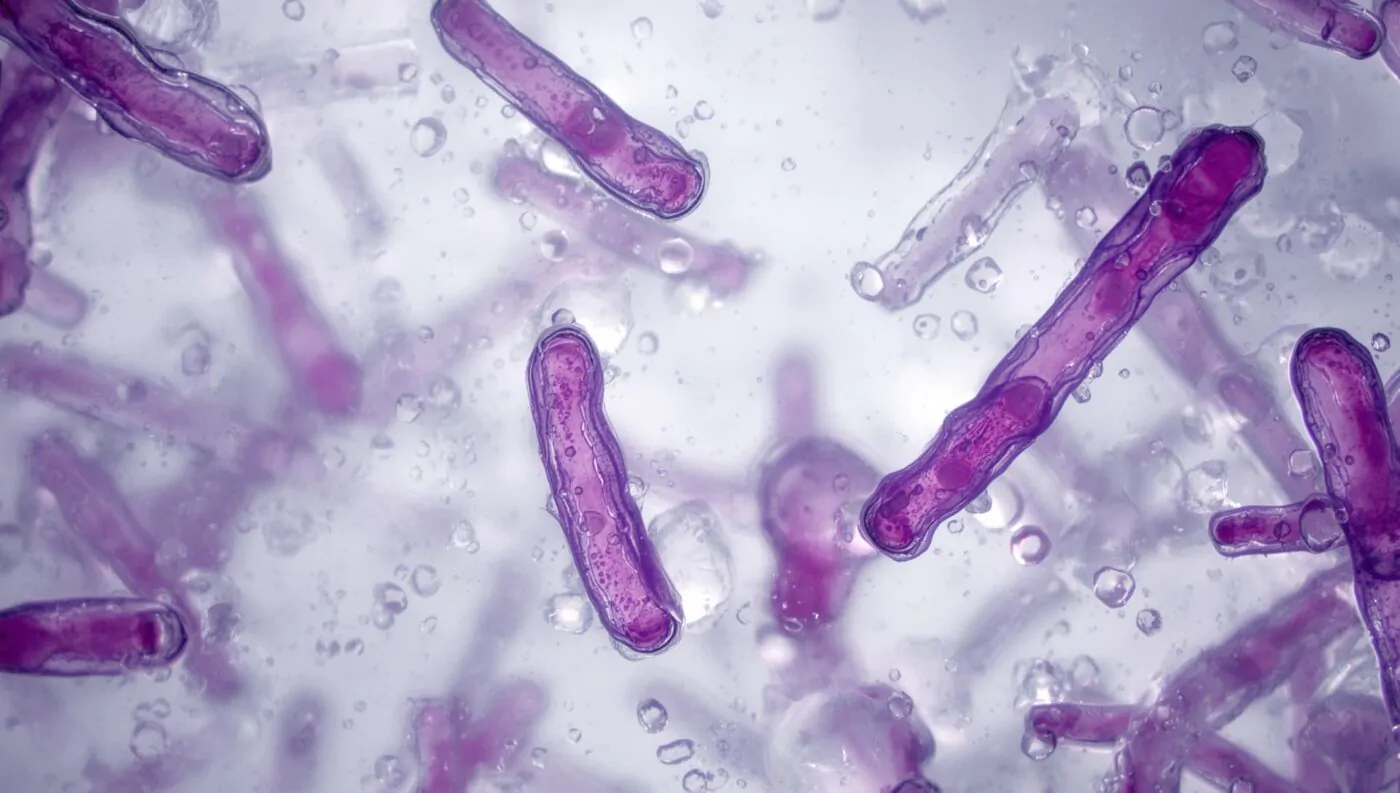
The New York City Health Department announced Monday that the outbreak has grown substantially since it first emerged on July 25, 2025. What started as a small cluster of cases has now become one of the most significant Legionnaires disease outbreaks the city has seen in recent years.
Health officials have directly linked the outbreak to contaminated cooling towers in the Central Harlem area, specifically around the Harlem River Houses and surrounding neighborhoods. These cooling towers, which contain water and fans used to cool large buildings, have become breeding grounds for the dangerous Legionella bacteria.
The rapid increase in cases from 22 to 58 infected individuals within just two weeks demonstrates how quickly this bacterial infection can spread when environmental conditions align. Health authorities are working around the clock to identify additional contaminated water sources and prevent further transmission.
What Makes This Outbreak Particularly Concerning
The mortality rate in this outbreak is raising alarm bells among public health experts. With two confirmed deaths among 58 cases, the outbreak shows a concerning fatality rate that highlights the serious nature of this bacterial infection.
Legionnaires disease is not contagious between people, which means every case traces back to environmental exposure to contaminated water systems. The concentration of cases in the Harlem area suggests a significant source of contamination that health officials are working urgently to eliminate.
The timing of this outbreak during hot summer months is particularly problematic. Cooling towers and air conditioning systems work overtime during peak summer heat, creating ideal conditions for Legionella bacteria to multiply and spread through aerosolized water droplets.
Recognizing the Warning Signs
Anyone in the affected areas should watch for key symptoms that typically appear 2 to 10 days after exposure to contaminated water. The most common early signs include:
High fever reaching 104°F or higher, often accompanied by severe chills and sweating episodes. Many patients describe feeling like they have the worst flu of their lives.
Severe cough that may produce blood or thick mucus, along with significant chest pain and difficulty breathing. This respiratory distress often worsens rapidly without proper treatment.
Muscle aches throughout the body, particularly in the back and legs, combined with intense headaches and overall weakness that makes normal activities impossible.
Gastrointestinal symptoms including nausea, vomiting, and diarrhea affect many patients, distinguishing Legionnaires disease from typical pneumonia cases.
The Source Problem
City health officials have identified cooling towers as the primary source of this outbreak. These large water-cooling systems, common on commercial and residential buildings throughout New York City, can harbor Legionella bacteria when not properly maintained.
The bacteria thrive in warm water environments, particularly in systems that don’t receive regular cleaning and disinfection. When these systems operate, they release fine water droplets into the air that people can inhale, leading to infection.
Building maintenance has become a critical focus for health inspectors. Teams are examining cooling towers throughout the affected area, testing water samples, and ordering immediate remediation where contamination is found.
High Risk Populations Need Extra Caution
Certain groups face elevated danger from Legionnaires disease and should take extra precautions in the affected areas. Adults over 50 show significantly higher rates of severe illness and complications from the infection.
Smokers and former smokers have compromised lung function that makes them more susceptible to developing severe pneumonia from Legionella exposure. Health officials strongly advise these individuals to avoid the outbreak area if possible.
People with chronic conditions including diabetes, kidney disease, liver problems, or compromised immune systems should seek immediate medical attention if they develop any respiratory symptoms after being in Central Harlem.
Prevention Steps Everyone Should Take
While you cannot catch Legionnaires disease from another person, environmental awareness is crucial for protection. Avoid areas near cooling towers, decorative fountains, or hot tubs that may not be properly maintained.
Home safety measures include regular maintenance of personal hot tubs, ensuring proper ventilation in bathrooms, and cleaning shower heads and faucets regularly to prevent bacterial buildup.
If you must be in the affected area, minimize exposure to water mist from cooling systems, fountains, or other water features. Pay attention to any respiratory symptoms that develop within two weeks of exposure.
Medical Response and Treatment
Early detection dramatically improves outcomes for Legionnaires disease patients. The infection responds well to specific antibiotics when treatment begins promptly, but delays can lead to serious complications or death.
Healthcare providers in the NYC area have been alerted to watch for symptoms and test patients who may have been exposed. Specialized testing can confirm Legionnaires disease and guide appropriate antibiotic selection.
Hospital capacity in the area has been assessed to ensure adequate resources for treating severe cases that require intensive care support for respiratory failure or other complications.
City Response and Future Prevention
The NYC Health Department has implemented emergency protocols to inspect and remediate contaminated cooling towers throughout the affected area. Teams are working systematically to test and treat water systems that could harbor the bacteria.
Building owners in Manhattan, particularly in the Harlem area, are facing increased scrutiny and potential legal requirements for immediate cooling tower maintenance and disinfection.
This outbreak serves as a stark reminder that urban water systems require constant vigilance and proper maintenance to prevent dangerous bacterial contamination that can quickly turn deadly in densely populated areas.