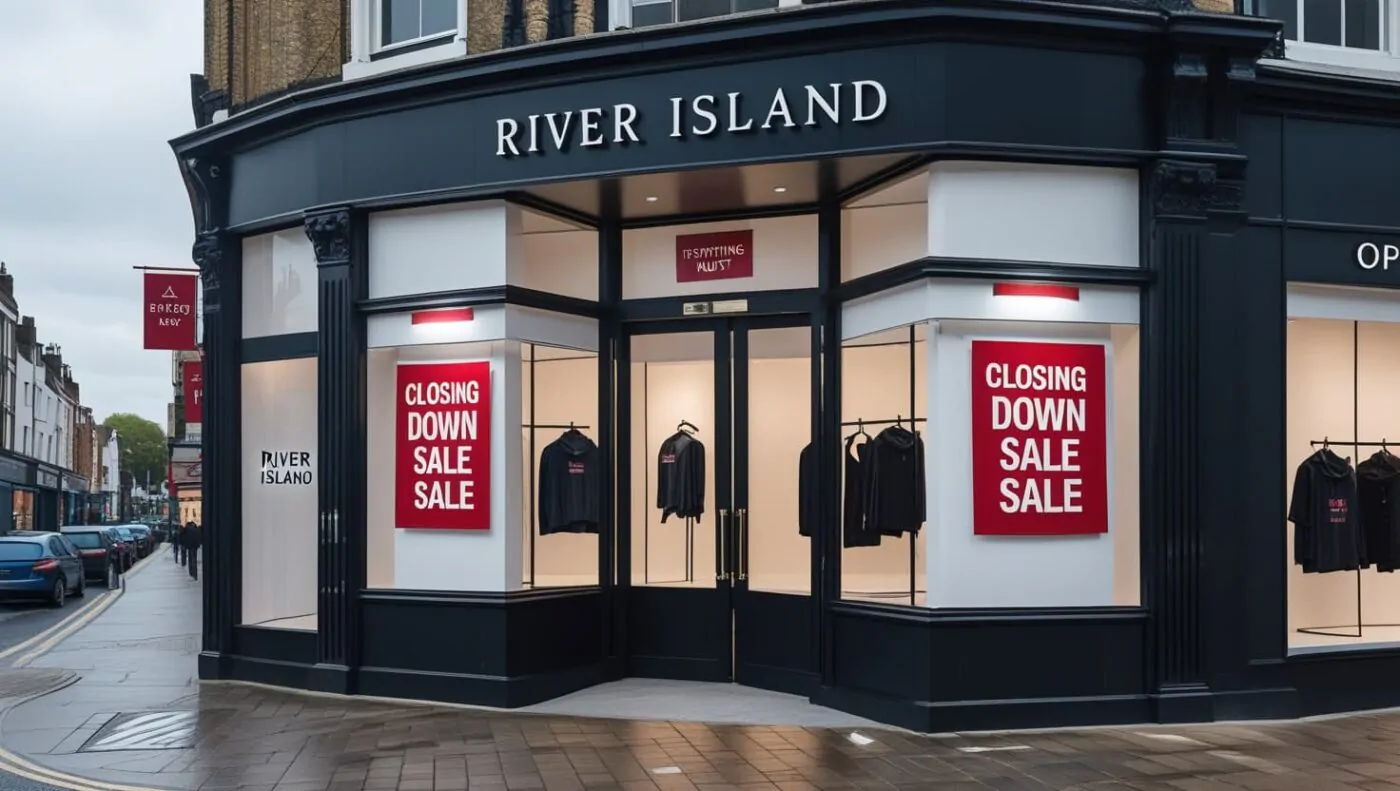
The recent River Island store closures have sent shockwaves through the UK retail landscape, with the High Court approving a significant restructuring plan that will see 33 stores close across the country. This major development in high street retail represents another challenging chapter for traditional brick-and-mortar shopping, as the popular fashion retailer grapples with changing consumer habits, increased online shopping trends, and ongoing retail industry pressures. The store closure announcement affects numerous UK towns and cities, with hundreds of retail jobs now at risk as River Island attempts to navigate financial difficulties through this court-approved business restructuring process.
High Court Approves River Island Restructuring Plan
The High Court judge officially approved River Island’s restructuring package in early August 2025, marking a pivotal moment for the struggling fashion chain. This legal approval enables the company to proceed with its cost-cutting measures while attempting to preserve the core business and maintain operations at remaining locations.
The restructuring plan represents a last-ditch effort to save the brand from complete collapse, allowing River Island to negotiate better terms with landlords and creditors. This court-approved process provides legal protection while the company implements necessary changes to ensure long-term viability.
Financial pressures have mounted on River Island over recent years, with declining footfall on high streets and increased competition from online-only retailers creating significant challenges for traditional retail operations.
Complete List of Store Closures and Affected Locations
The 33 River Island stores facing closure span across various UK regions, affecting both major shopping centers and smaller high street locations. While the complete list of specific locations continues to emerge, the closures will impact numerous town centers and shopping districts nationwide.
Urban locations and retail parks feature prominently among the affected stores, reflecting the company’s strategy to consolidate operations in more profitable locations while exiting underperforming sites.
Shopping centers that house River Island stores have expressed concern about the impact of these closures on overall footfall and the broader retail ecosystem within their facilities.
Impact on Employment and Local Communities
Job losses represent the most immediate concern arising from these store closures, with hundreds of River Island employees facing uncertainty about their employment future. The company has pledged to keep redundancies “to a minimum” while exploring redeployment opportunities within remaining stores.
Local communities will feel the economic impact of these closures, particularly in smaller towns where River Island stores serve as anchor tenants in shopping areas. The loss of these retail spaces may contribute to further high street decline in affected areas.
Transfer opportunities may be available for some employees to relocate to nearby stores that remain operational, though this depends on geographic proximity and available positions within the reduced store network.
Retail Industry Context and Market Pressures
The retail landscape continues evolving rapidly, with traditional high street retailers facing unprecedented challenges from e-commerce growth and changing shopping behaviors. River Island’s difficulties reflect broader industry trends affecting numerous fashion retailers.
Consumer preferences have shifted significantly toward online shopping, particularly following accelerated adoption during recent years. This trend has reduced footfall in physical stores while increasing operational costs per transaction for brick-and-mortar locations.
Competition from fast-fashion online retailers and established e-commerce platforms has intensified pressure on traditional retailers to adapt their business models or risk becoming obsolete in the changing marketplace.
Financial Restructuring and Future Strategy
Debt management forms a crucial component of River Island’s restructuring plan, with the company working to renegotiate terms with creditors and reduce overall financial obligations. This process aims to create a more sustainable cost structure for ongoing operations.
Operational efficiency improvements will likely accompany the store closure program, with remaining locations expected to benefit from increased investment and improved performance metrics as resources become more concentrated.
Digital transformation initiatives may receive greater focus as River Island adapts to changing consumer behavior and seeks to strengthen its online presence while maintaining profitable physical retail locations.
Impact on UK High Streets
High street decline continues accelerating as major retailers reduce their physical footprints or exit certain markets entirely. River Island’s store closures contribute to this ongoing transformation of traditional shopping areas.
Empty retail spaces created by these closures may remain vacant for extended periods, potentially contributing to the deterioration of local shopping environments and reduced attractiveness for remaining retailers and consumers.
Local authorities face increasing challenges in maintaining vibrant town centers as anchor tenants like River Island withdraw from certain locations, requiring innovative approaches to repurpose retail spaces for alternative uses.
Customer Response and Shopping Alternatives
Loyal customers of closing River Island stores will need to adapt their shopping habits, either traveling to remaining locations or transitioning to online purchasing through the company’s e-commerce platform.
Final sales and clearance events at closing stores may attract bargain hunters seeking discounted merchandise, though inventory levels and selection may vary significantly between different closing locations.
Alternative retailers in affected areas may benefit from reduced competition, though the overall impact on local shopping districts could negatively affect all businesses through reduced foot traffic.
Lessons for the Retail Sector
Adaptability emerges as crucial for retail survival in the current marketplace, with successful retailers demonstrating ability to pivot between online and offline channels while maintaining customer engagement across multiple touchpoints.
Cost management becomes increasingly important as retailers face pressure from multiple directions, including rising operational costs, increased competition, and changing consumer expectations regarding pricing and service levels.
Innovation in retail formats and customer experience may provide paths forward for traditional retailers willing to invest in transformation while maintaining their core brand identity and customer relationships.
The River Island store closure saga serves as another reminder of the ongoing challenges facing traditional retail, while highlighting the importance of successful adaptation strategies in an increasingly competitive and rapidly evolving marketplace.