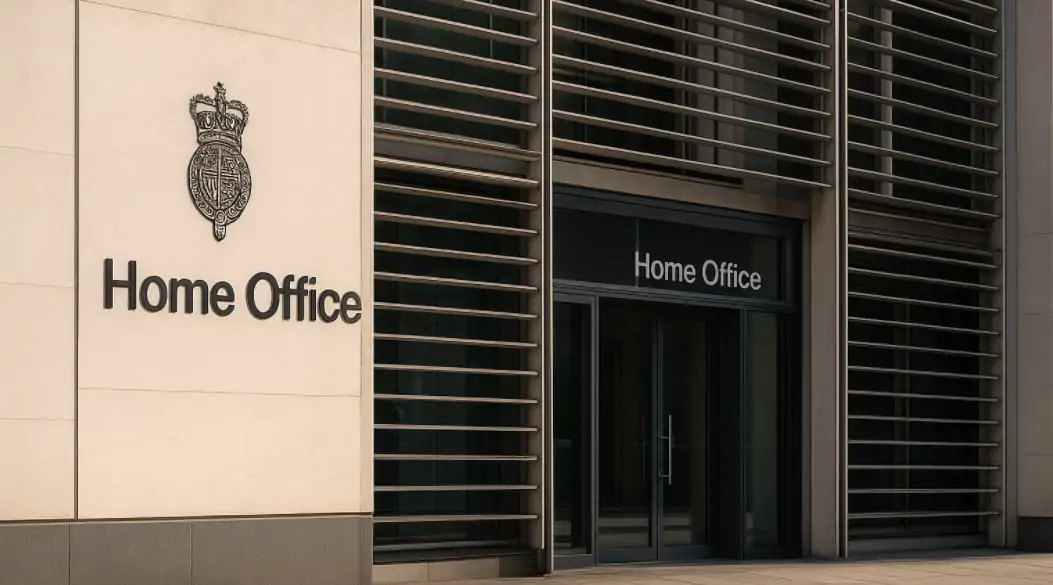
The Home Secretary serves as one of the most powerful cabinet positions in the UK government, overseeing national security, immigration, and public safety across England and Wales. Currently held by Yvette Cooper since July 2024, this critical role involves managing complex challenges including border security, asylum systems, and counter terrorism efforts. The Home Secretary responsibilities encompass everything from setting immigration policy to coordinating with police forces and intelligence agencies. Understanding what the Home Secretary does provides insight into how the UK government addresses domestic security threats, manages migration flows, and maintains law and order. The Home Office department operates as the primary ministry handling internal affairs, making the Home Secretary one of the four great offices of state alongside the Prime Minister, Chancellor, and Foreign Secretary. Recent developments in 2025 show the Home Secretary actively reforming asylum processes and strengthening border controls to address ongoing migration challenges facing the United Kingdom.
Core Responsibilities and Powers
The Home Secretary duties include overseeing immigration policy, national security, and police coordination across England and Wales. This cabinet position holds responsibility for protecting citizens from terrorism, serious crime, and external threats.
Immigration control represents a primary function, with the Home Secretary setting visa policies, asylum procedures, and deportation guidelines. Additionally, they manage the points-based immigration system and seasonal worker programs.
National security oversight involves coordinating between MI5, police forces, and other agencies to prevent terrorist attacks and serious organized crime. The role includes reviewing threat levels and authorizing security operations.
Immigration and Border Management
Asylum system reforms have become a major focus under Yvette Cooper’s leadership in 2025, addressing what she describes as a “broken system” inherited from previous governments. These reforms aim to reduce processing times and clear backlogs.
Border security measures include working with French authorities to prevent illegal crossings and dismantle people smuggling networks. The Home Secretary coordinates with international partners on migration challenges.
Visa and entry policies fall under Home Secretary authority, including decisions on work permits, student visas, and family reunion cases. These policies directly impact the UK’s economic competitiveness and social cohesion.
| Immigration Area | Home Secretary Powers | Recent Changes 2025 | Key Challenges |
|---|---|---|---|
| Asylum Claims | Policy setting, appeals oversight | Faster processing targets | High backlog volumes |
| Work Visas | Skill requirements, quotas | Points system adjustments | Labor market needs |
| Border Control | Security coordination | Enhanced French cooperation | Small boat crossings |
| Deportations | Removal decisions | Increased efficiency focus | Legal challenges |
Core Responsibilities at a Glance
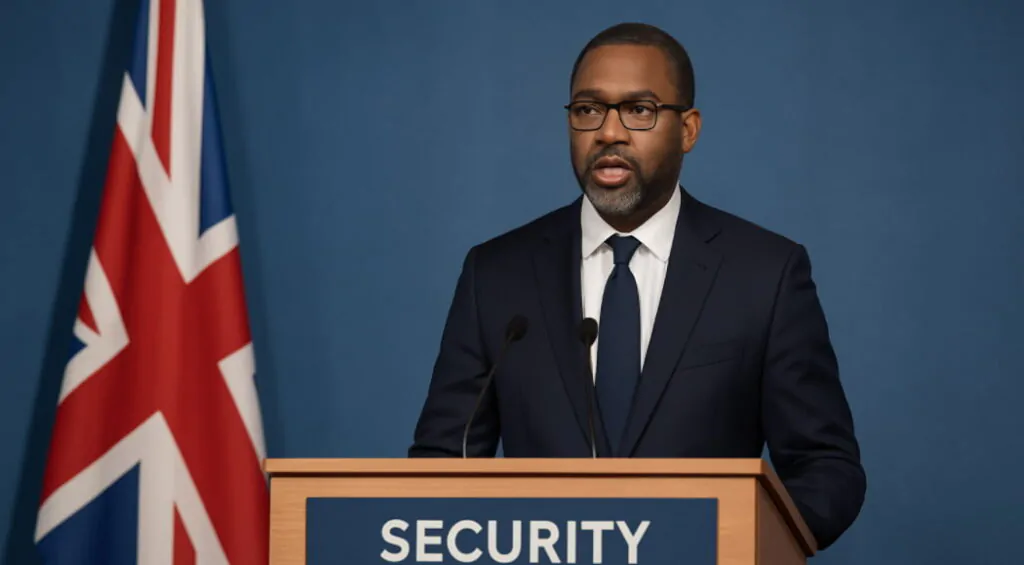
- Immigration and asylum
Sets policy and oversees operations through UK Visas and Immigration and other teams that manage visas, asylum decisions, detention, returns, and citizenship routes.
UKVI: https://www.gov.uk/government/organisations/uk-visas-and-immigration - Border security
Directs Border Force to secure ports and airports, seize prohibited goods, and prevent illegal entry while facilitating lawful travel.
Border Force: https://www.gov.uk/government/organisations/border-force - Policing and crime
Funds and sets priorities for police in England and Wales, supports national capability development, and sponsors bodies like the College of Policing and HMICFRS. - National security and counterterrorism
Leads the domestic security mission with responsibility for policy on MI5 tasking and warrants, proscription decisions, and the CONTEST strategy.
MI5 oversight and warrants context: https://www.mi5.gov.uk/how-mi5-is-governed - Identity and citizenship services
Oversees HM Passport Office for passports and civil registration services and policy on citizenship and naturalisation.
HM Passport Office: https://www.gov.uk/government/organisations/hm-passport-office - Safeguarding and public protection
Leads the Disclosure and Barring Service framework to help employers make safer recruitment decisions.
DBS: https://www.gov.uk/government/organisations/disclosure-and-barring-service
How the Role Affects Daily Life
- Faster secure travel through ports when border systems work well
- Safer communities through crime reduction strategies and police funding
- Fairness in visas and citizenship decisions with clear rules and service standards
- Trusted identity services when passport operations run smoothly
- Protection from terrorism through proportionate security measures with legal oversight
Legislative and Policy Development
Home Office legislation covers areas including terrorism prevention, immigration control, and police powers, with the Home Secretary responsible for steering bills through Parliament and defending policies publicly.
Policy implementation requires coordinating between government departments, local authorities, and frontline services to ensure effective delivery of immigration, security, and policing initiatives.
Parliamentary accountability involves regular appearances before select committees, answering urgent questions, and defending departmental decisions in the House of Commons during debates and question sessions.
Historical Context and Evolution
Role development since 1782 has seen the Home Secretary’s responsibilities evolve from basic internal administration to complex modern challenges including terrorism, cybercrime, and international migration flows.
Previous holders including Theresa May, Sajid Javid, and Priti Patel have shaped current policies and procedures, with each bringing different approaches to immigration, security, and policing priorities.
Constitutional significance places the Home Secretary among the four great offices of state, reflecting the critical importance of internal security and public safety in British governance and democratic stability.
Public Communication and Media Relations
Crisis communication requires the Home Secretary to provide clear, accurate information during security incidents, terrorist attacks, or major immigration developments while balancing transparency with operational security needs.
Policy explanation involves defending controversial decisions on immigration, security measures, and policing strategies to Parliament, media, and public while maintaining support for necessary but sometimes unpopular measures.
International representation includes speaking for the UK on security and migration issues at international forums, bilateral meetings, and European cooperation initiatives affecting British interests and security.
Frequently Asked Questions
Who is the current Home Secretary? Yvette Cooper has served as Home Secretary since July 5, 2024, following the Labour Party’s election victory and subsequent government formation.
What are the Home Secretary’s main powers? The Home Secretary controls immigration policy, oversees national security, coordinates police forces, and manages the asylum system for England and Wales.
How does the Home Secretary work with police? The Home Secretary sets national policing priorities, appoints senior officers, and coordinates between regional forces while maintaining operational independence for day-to-day policing decisions.
What role does the Home Secretary play in terrorism prevention? They coordinate between security agencies, set threat levels, authorize operations, and ensure adequate resources for counter-terrorism efforts across the UK.
Can the Home Secretary make immigration law? The Home Secretary develops immigration policies and regulations but requires Parliamentary approval for major legislative changes affecting visa rules and asylum procedures.
How often does the Home Secretary report to Parliament? Regular appearances include monthly question sessions, urgent statements on major incidents, and annual reviews of departmental performance and security assessments.
References Authentic Sources
- Yvette Cooper minister profile
https://www.gov.uk/government/people/yvette-cooper - Home Office department overview
https://www.gov.uk/government/organisations/home-office - UK Visas and Immigration
https://www.gov.uk/government/organisations/uk-visas-and-immigration - Border Force
https://www.gov.uk/government/organisations/border-force - HM Passport Office
https://www.gov.uk/government/organisations/hm-passport-office - Disclosure and Barring Service
https://www.gov.uk/government/organisations/disclosure-and-barring-service - MI5 governance and oversight
https://www.mi5.gov.uk/how-mi5-is-governed
Article Summary
The Home Secretary leads the Home Office, sets policy for immigration and asylum, directs border security, funds and shapes policing and crime reduction, and is responsible for domestic security alongside MI5 oversight and legal warrant decisions. The post also oversees passports and citizenship services. In 2025, border security and asylum reform remain central, supported by legal frameworks and independent oversight.