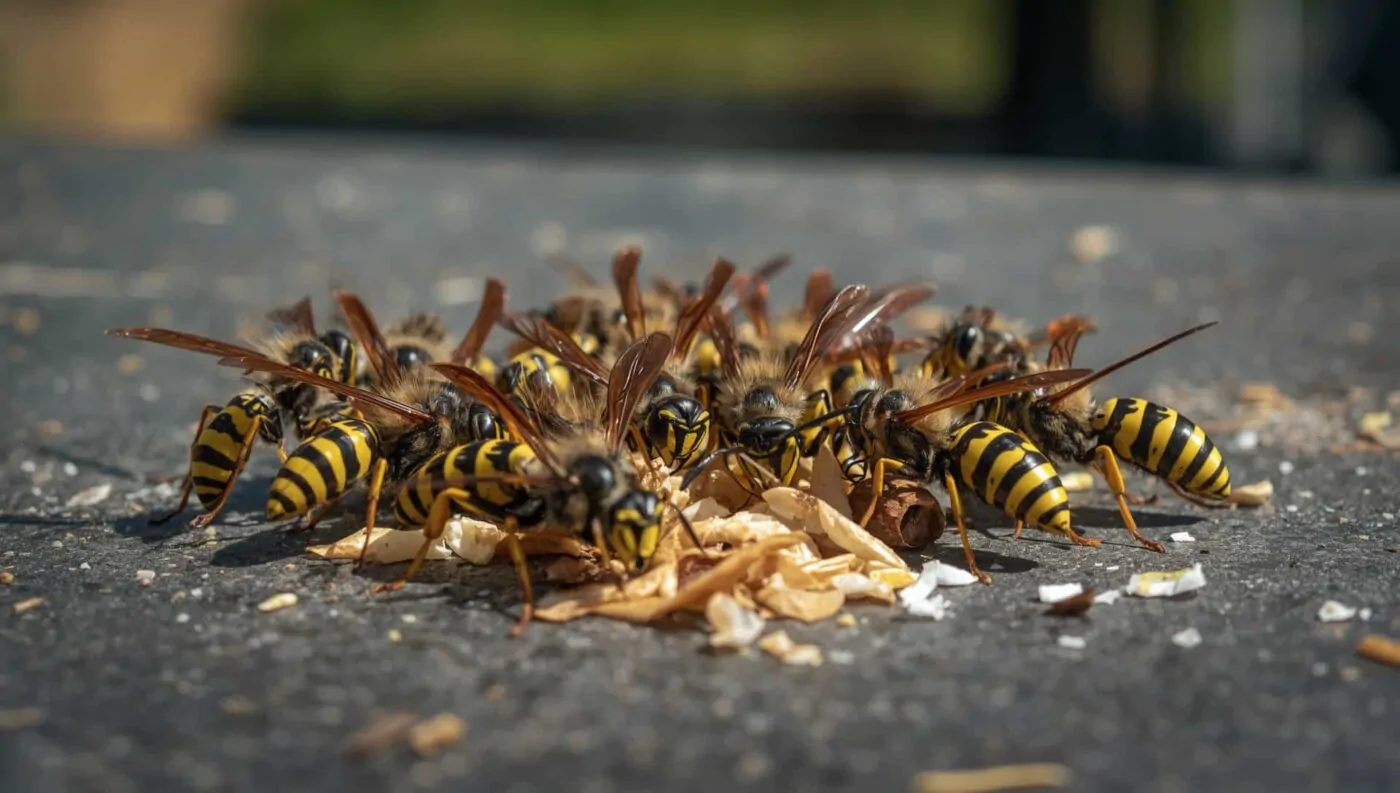
Wasp populations have reached unprecedented levels during August 2025, leaving homeowners and outdoor enthusiasts wondering why wasps are so abundant this summer season. The surge in yellow jackets, paper wasps, hornets, and other stinging insects reflects a perfect storm of favorable weather conditions, abundant food sources, successful overwintering, colony maturation, and climate factors that have created ideal breeding environments. Late summer wasp activity typically peaks during August as wasp colonies reach maximum size, but 2025 conditions have amplified normal population cycles through warm spring temperatures, adequate rainfall, insect prey availability, and reduced natural predators. Understanding the ecological factors driving this wasp boom helps explain why outdoor activities, picnics, garbage areas, and sweet food sources attract more aggressive wasps than usual, while providing insights into seasonal patterns, nest development, foraging behavior, and population dynamics that influence annual wasp abundance across residential and natural environments.
Weather Patterns Creating Ideal Wasp Conditions
Temperature fluctuations during spring and early summer 2025 provided optimal conditions for wasp queen survival and early nest establishment. Mild winter temperatures allowed more overwintering queens to survive the cold months, leading to increased colony founding in spring.
Rainfall patterns created abundant moisture for nest construction while supporting the insect populations that serve as primary protein sources for developing wasp larvae. Adequate precipitation also promoted plant growth and flowering, providing nectar sources for adult wasps.
Extended warm periods accelerated wasp development cycles, allowing colonies to grow larger than typical seasonal averages. Heat waves followed by moderate temperatures created sustained activity periods without the extreme conditions that can stress colonies.
What Drives a Wasp Surge
- Weather and survival
- Mild winter can boost queen survival, so more nests get started in spring.
- Warm spring and early summer speed nest building and increase prey for larvae.
- Food availability
- Abundant aphids, caterpillars, and other soft bodied insects feed larvae, growing worker numbers.
- Later in the season, fewer larvae means workers seek sugary foods, so you notice them near bins and picnics.
- Urban and garden changes
- Urban heat islands create warmer microclimates.
- Garden planting and composting increase nectar and shelter options.
- Predators and disease
- Year to year shifts in parasites or predators can also tilt the balance for wasp colonies.
Weather patterns that favor wasps
- A frost light winter can leave more queens alive.
- A settled, warmer spring improves foraging and nest establishment.
- Drier spells reduce fungus and nest failures, though extreme drought can limit nectar later.
Useful reading on weather and insects
- Met Office overview on insects and weather
https://www.metoffice.gov.uk/weather/learn-about/weather/seasons/summer - Natural History Museum on wasps and their role
https://www.nhm.ac.uk/discover/wasps.html
Wasp Lifecycle and Late Summer Spike
- Spring
- Queens emerge, find nesting spots, and rear first workers.
- Early to mid summer
- Nest growth accelerates as workers bring prey to larvae.
- Late summer to early autumn
- Brood declines, and more workers switch to carbohydrate foraging, which brings them close to people.
- Autumn
- Colonies wind down as queens mate and seek winter refuge.
Why You Are Noticing More Now
- More nests started in spring means more workers in late summer.
- Less brood means fewer larval secretions that normally reward workers, so they seek sweet foods elsewhere.
- Fruit fall in gardens and open bins are powerful attractants.
Species-Specific Population Dynamics
| Wasp Species | Peak Activity Period | Colony Size | Aggression Level | Common Locations |
|---|---|---|---|---|
| Yellow Jackets | Late August-September | 1,000-5,000 workers | High | Ground nests, wall voids |
| Paper Wasps | July-August | 100-300 workers | Moderate | Under eaves, shrubs |
| Bald-Faced Hornets | August-September | 400-700 workers | Very High | Tree branches, structures |
| European Hornets | August-October | 300-500 workers | High | Tree hollows, attics |
Yellow jacket populations show the most dramatic increases during favorable years, with ground nesting colonies expanding rapidly when conditions support abundant prey insects and nesting materials.
Month By Month Pattern
| Month | Typical activity |
|---|---|
| March to April | Queens emerge and scout nest sites |
| May to June | First workers, steady nest growth |
| July | Peak growth, high insect prey intake |
| August to September | Workers switch to sugars, more nuisance reports |
| October | Colonies fade, new queens seek winter refuge |
Myth and fact
| Statement | Reality |
|---|---|
| Wasps do nothing for ecosystems | Many species pollinate and control pests by hunting other insects |
| They only eat sugar | Workers bring protein to larvae for months before seeking more sugar later |
| All nests must be removed | Remote nests can be left to die out at season end if they pose no risk |
Credible sources you can trust:
- Natural History Museum overview of wasps
https://www.nhm.ac.uk/discover/wasps.html - Royal Entomological Society resources
https://www.royensoc.co.uk/resources - British Pest Control Association wasp information
https://bpca.org.uk/a-z-of-pest-advice/wasps - NHS sting treatment
https://www.nhs.uk/conditions/insect-bites-and-stings/ - Met Office seasonal context
https://www.metoffice.gov.uk/weather/learn-about/weather/seasons/summer