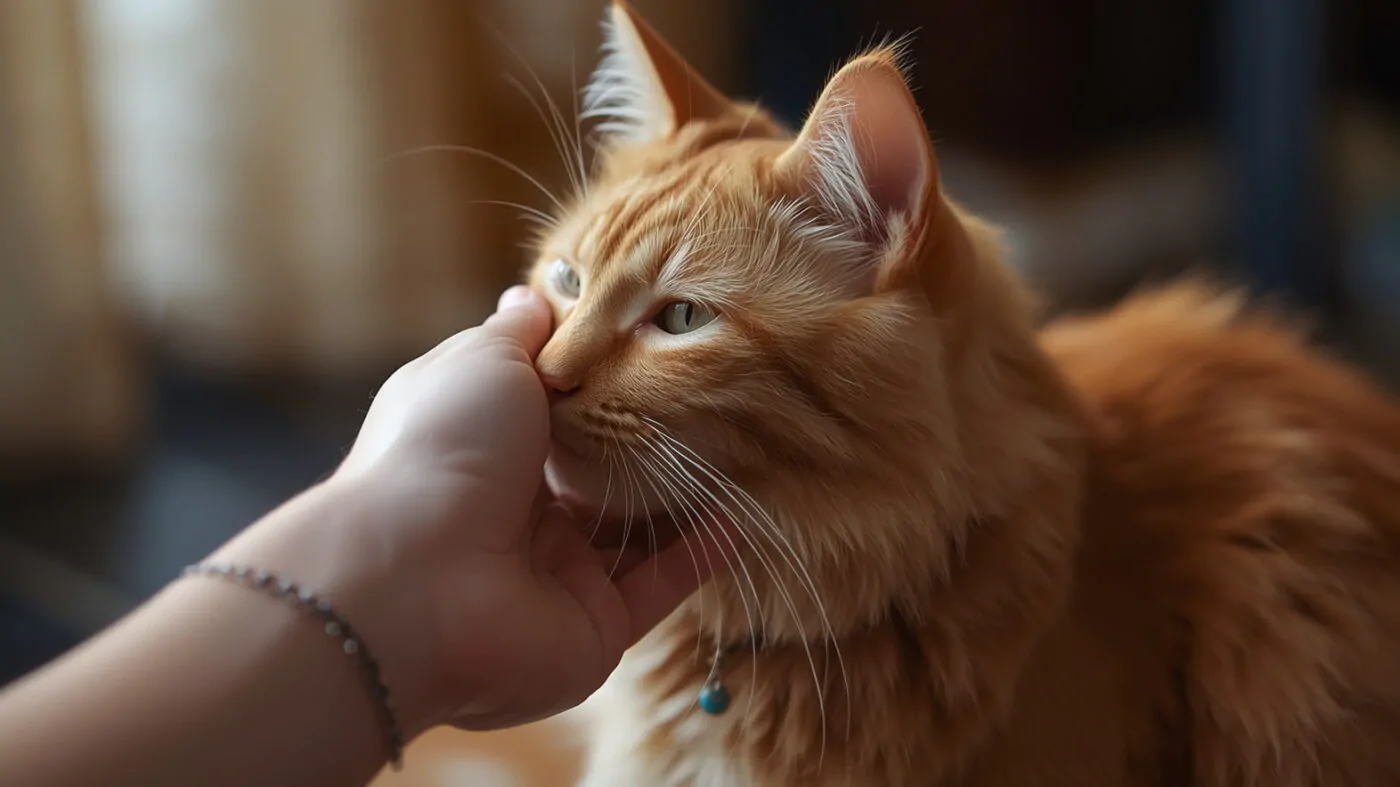
Cat headbutting behavior, scientifically known as bunting, represents one of the most endearing forms of feline communication that pet owners encounter daily. This gentle yet persistent behavior involves cats using their heads to make contact with their human companions, furniture, or other cats in their environment. Head rubbing serves multiple purposes in cat psychology, primarily functioning as a method of scent marking and social bonding. Recent animal behavior studies in 2025 have revealed that cat bunting involves complex neurological processes and pheromone communication systems that strengthen the human-animal bond. Territorial marking through head contact allows cats to create familiar scent landscapes that provide comfort and security. Understanding why cats engage in headbutting behavior helps pet owners appreciate these intimate moments and respond appropriately to their feline companion’s emotional needs.
Territory Marking vs Affection Display
| Behavior Type | Primary Purpose | Body Language | Frequency |
|---|---|---|---|
| Territory Marking | Claiming ownership | Confident posture, tail up | Consistent locations |
| Affection Display | Bonding behavior | Relaxed body, purring | During social interactions |
| Stress Relief | Self-soothing | Repetitive motions | During anxiety |
| Attention Seeking | Communication | Direct eye contact | When owner present |
Scent territory establishment occurs when cats systematically headbutt furniture, doorways, and human belongings to create a familiar scent map of their environment. This territorial behavior provides psychological security and helps cats navigate their spaces confidently.
Ownership claims through bunting extend beyond simple territory marking to include social claims on human companions. Cats often headbutt their favorite humans more frequently than others, indicating special relationships and preferences.
Biology of Cat Bunting Behavior
Scent glands located on cats’ heads, cheeks, and foreheads contain specialized cells that produce pheromones unique to each individual cat. These chemical messengers carry information about the cat’s identity, emotional state, and territorial claims. When cats engage in head pressing against humans, they deposit these scent markers to create familiar environments.
Facial pheromones released during bunting contain calming compounds that reduce stress and anxiety in cats. The act of rubbing releases these chemicals onto surfaces and people, creating a comforting scent profile that helps cats feel secure in their surroundings.
Neurological pathways activated during bunting behavior trigger the release of endorphins in cats’ brains, creating positive feelings associated with the activity. This biological reward system reinforces the behavior and encourages repeated interactions with beloved humans.
Social Bonding Through Head Contact
Feline social structure relies heavily on scent communication and physical contact to establish relationships and hierarchy. Cat headbutting humans mimics the same bonding behaviors cats use with other cats in their social groups.
Trust indicators become apparent when cats choose to headbutt specific individuals, as this behavior requires cats to put themselves in vulnerable positions close to human faces and hands. The willingness to engage in bunting demonstrates high levels of comfort and affection.
Pack mentality influences how domestic cats view their human families, with headbutting serving as a way to include humans in their social circle. This behavior helps cats maintain group cohesion and reinforce positive relationships within their perceived family unit.
Different Types of Cat Headbutting
Gentle bunting involves soft, controlled contact that cats use for casual greetings and ongoing social maintenance. This light pressure headbutting typically occurs during relaxed interactions and daily routines.
Forceful headbutting may indicate excitement, urgency, or strong emotional states in cats. While still affectionate, this more intense bunting often occurs when cats feel particularly happy or want immediate attention from their humans.
Repetitive head pressing against walls, furniture, or humans can sometimes indicate medical issues rather than normal social behavior. Pet owners should monitor for excessive headbutting that seems compulsive or occurs alongside other concerning symptoms.
When Headbutting Indicates Health Concerns
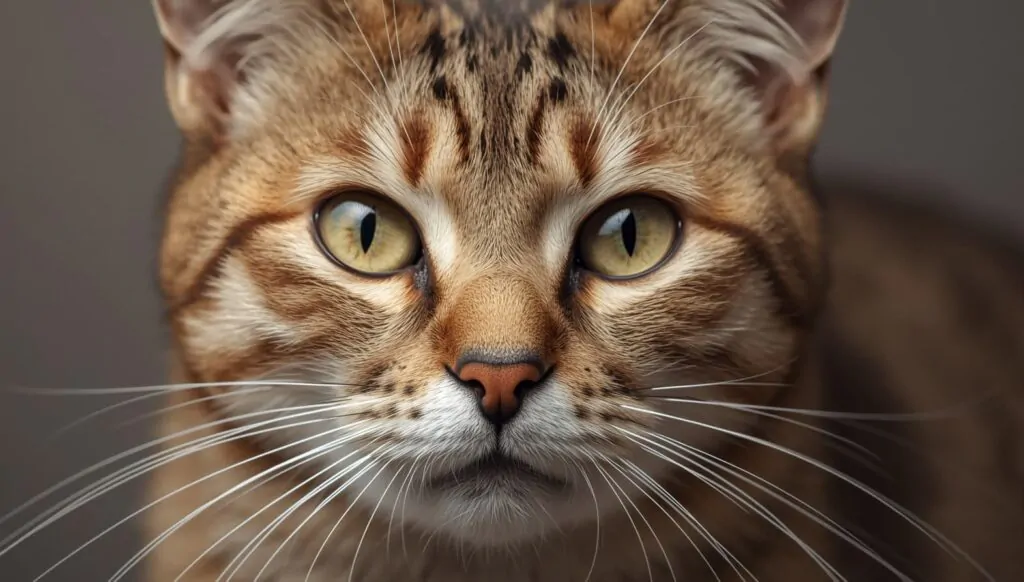
Excessive bunting that becomes compulsive or occurs at unusual frequencies may signal underlying medical conditions requiring veterinary attention. Neurological disorders, brain lesions, or head injuries can cause abnormal head pressing behaviors.
Pain related headbutting sometimes occurs when cats experience dental issues, ear infections, or sinus problems that create discomfort. Cats may press their heads against cool surfaces or humans seeking relief from pain.
Behavioral changes accompanying increased headbutting, such as appetite loss, lethargy, or disorientation, warrant immediate veterinary evaluation to rule out serious health conditions.
When to Call Your Vet
- Sudden change to hard head pressing or any sign of disorientation
- Head bumps paired with pain, face pawing, ear problems, or dental trouble
- Dramatic increase in bunting with new anxiety, hiding, or appetite change
Frequently Asked Questions:
Q: Do all cats headbutt?
A: No. Some prefer cheek rubs on furniture or people without the bump. Social preferences vary by individual and early socialization.
Q: Why does my cat headbutt then nip?
A: Many cats have a narrow threshold between gentle social contact and play arousal. Keep greeting strokes short, redirect to a toy, and watch for tail twitching or ear turns that mean take a break.
Q: Why does my cat headbutt my phone or laptop?
A: Those items carry your fresh scent and get your attention. A brief bunt often leads to petting which reinforces the habit.