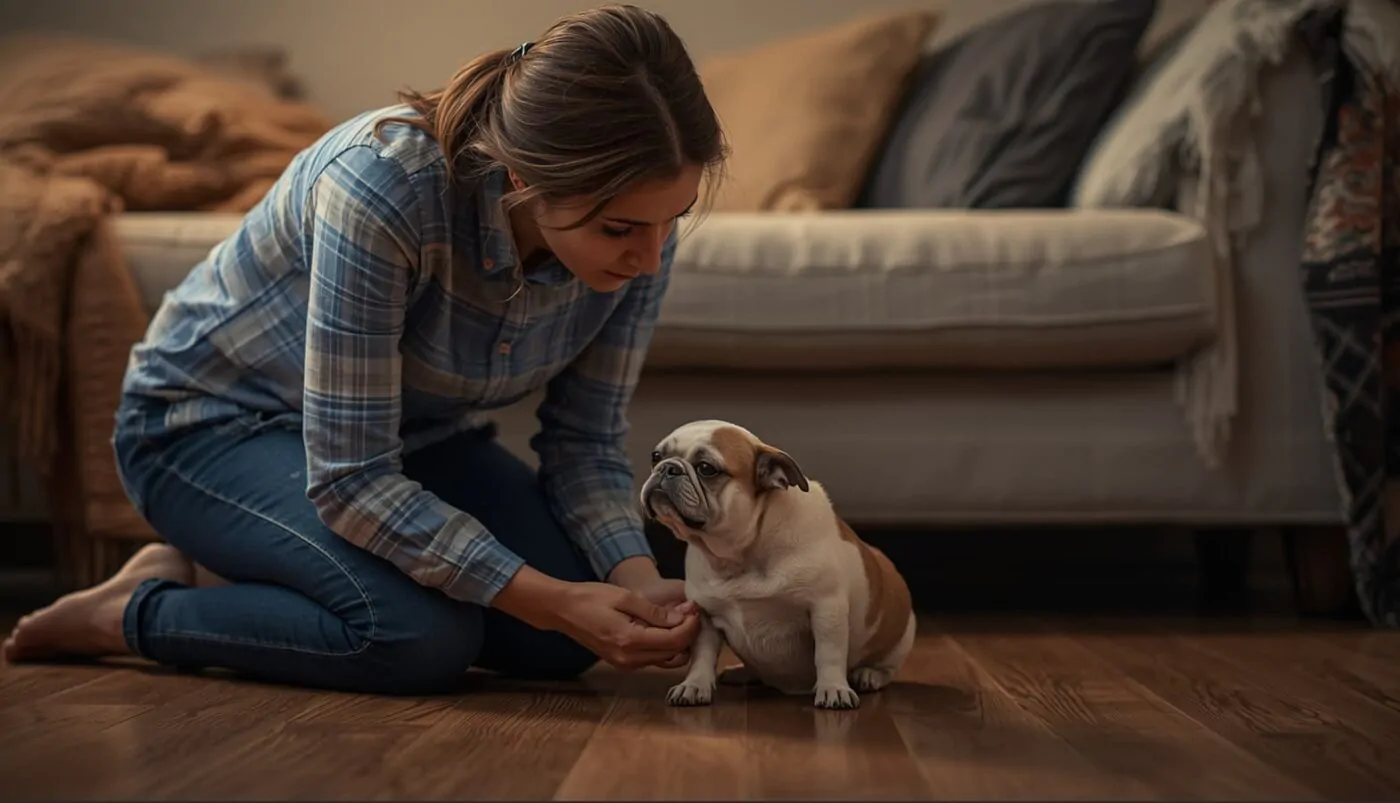
Dog shaking is one of the most common concerns pet owners face, with various underlying causes ranging from harmless excitement to serious medical conditions. Canine trembling can manifest as mild shivering or intense body tremors that affect your pet’s entire body. Understanding the difference between normal and concerning dog behavior helps pet owners make informed decisions about their furry companion’s health. Recent veterinary research shows that stress related shaking has increased significantly in 2025, partly due to environmental changes and lifestyle factors affecting our pets. Temperature regulation, anxiety disorders, neurological conditions, and systemic illnesses represent the primary categories of shaking causes in dogs. Pet owners who recognize early warning signs and know when to contact their veterinarian can prevent minor issues from developing into serious health problems requiring emergency intervention.
Normal vs Concerning Shaking Patterns
Occasional trembling in dogs often indicates excitement, anticipation, or mild temperature changes that require no medical intervention. Excitement shaking commonly occurs when dogs see their owners return home, anticipate walks, or encounter new experiences that stimulate their nervous system.
Persistent shaking lasting longer than 30 minutes or recurring daily may signal underlying health issues requiring veterinary evaluation. Dogs experiencing continuous tremors often show accompanying symptoms like lethargy, appetite loss, or behavioral changes that indicate medical problems.
Intensity levels vary significantly, with mild shivering being less concerning than violent tremors that prevent normal movement. Body wide trembling affecting multiple muscle groups typically indicates more serious conditions than localized shaking in specific areas.
Table Quick Reference
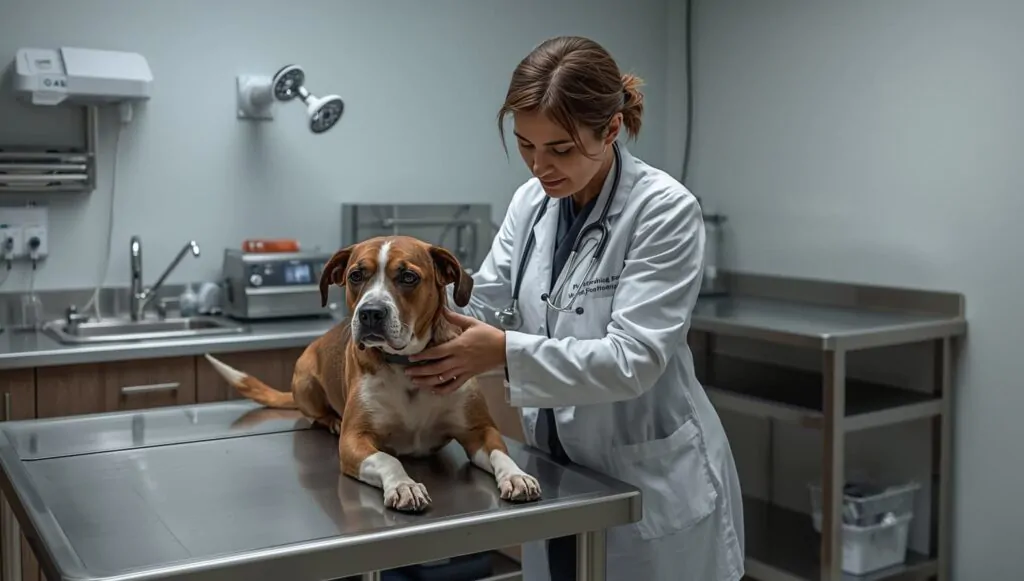
| Possible cause | Key signs to watch | How urgent | First actions | Reference |
|---|---|---|---|---|
| Cold or wet | Shivering that stops after drying and warming | Low | Dry coat, add a layer, warm room | AKC overview on common causes |
| Fear or anxiety | Thunder, fireworks, new places, panting, pacing | Medium | Remove trigger, offer calm space, speak to your vet about behavior plans | AKC |
| Pain or injury | Won’t settle, yelp on touch, limping | Medium to high | Rest, avoid stairs, call your vet for exam and pain plan | VCA |
| Nausea | Lip licking, drooling, vomiting | Medium | Withhold food briefly, small sips of water, call your vet if ongoing | VCA |
| Low blood sugar | Lethargy, wobble, confusion, seizures in severe cases | High | Offer a small meal or rub honey on gums while arranging urgent vet care | Merck Vet Manual |
| Toxins chocolate, xylitol, nicotine | Vomiting, agitation, tremors, seizures | Emergency | Call your vet or poison helpline immediately, bring packaging | Merck Vet Manual chocolate tool |
| Neurologic tremor disorders | Fine head or body tremor at rest or action, worsens with excitement | Medium | Record a video, seek vet exam; may need neurology referral | UC Davis Neurology |
| Fever or infection | Warm ears, lethargy, reduced appetite | Medium | Check temperature if trained, speak to your vet | PDSA |
| Ear or vestibular disease | Head tilt, nystagmus, loss of balance | High | Urgent vet care to prevent injury and treat cause | VCA |
When To Call the Vet
- Shaking with vomiting, diarrhea, collapse, disorientation, pale or blue gums
- Known or suspected toxin exposure chocolate, xylitol sweetener, nicotine pouches, rodenticide, certain human meds
- Puppies, toy breeds, or nursing females suddenly trembling or weak
- Head trauma, heat illness, or painful injury
- Shaking that lasts more than an hour or keeps returning without a clear trigger
What To Do at Home Right Now
If you suspect a poison, keep packaging and call your vet or a poison helpline right away
Warm and dry your dog if cold or soaked
Reduce stressors quiet room, white noise for storms, pheromone diffuser
Offer water little and often if your dog is otherwise bright
Do not give human painkillers or random home remedies unless your vet prescribes them
Also to Consider Anxiety and Stress Induced Trembling
| Anxiety Trigger | Shaking Characteristics | Additional Symptoms | Management Approach |
|---|---|---|---|
| Thunderstorms | Intense, full body tremors | Hiding, panting, destructive behavior | Desensitization training, anxiety wraps |
| Separation anxiety | Mild to moderate shaking | Excessive vocalization, destructive behavior | Gradual training, environmental enrichment |
| Vet visits | Trembling with tensed muscles | Panting, attempting to hide | Counter-conditioning, positive associations |
| Loud noises | Sudden onset trembling | Cowering, seeking comfort | Sound therapy, safe spaces |
Behavioral anxiety has become increasingly prevalent in domestic dogs, with environmental stressors contributing to chronic stress responses. Separation anxiety affects approximately 20-40% of pet dogs, often manifesting through trembling when owners prepare to leave home.
Phobia related shaking typically occurs in response to specific triggers like fireworks, thunderstorms, or unfamiliar environments. Socialization deficits during puppyhood can contribute to adult anxiety disorders that include trembling as a primary symptom.
FAQ:
- Q: Is my dog cold or anxious?
A: Cold shivers stop once warmed and dried. Anxiety shivers often come with panting, pacing, and clinging. If unsure or it persists, call your vet. - Q: Can shaking be a seizure?
A: Seizures usually bring loss of awareness, stiffening or paddling, and post episode confusion. Record a video and seek veterinary advice for any event like this. - Q: Can excitement cause shaking?
A: Yes. Some dogs tremble when excited to go out or greet people. It should stop once settled. If shaking is frequent or intense, rule out medical causes. - Q: Does age matter?
A: Senior dogs can develop pain flares and neurologic issues. New tremors in older dogs deserve a prompt check.