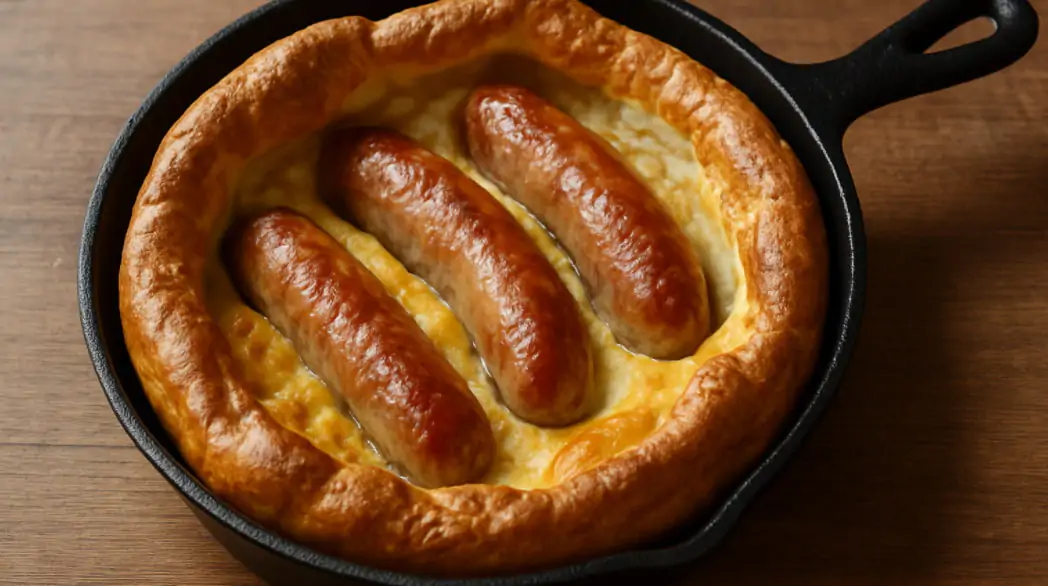
Why is toad in the hole called toad in the hole remains one of British cuisine’s most intriguing naming mysteries, with the dish earning its unusual name from the visual appearance of sausages poking through Yorkshire pudding batter. Toad in the hole etymology traces back to 18th century England when creative cooks began embedding various meats into savory batter, creating dishes that resembled small creatures hiding in burrows. British dish origins for this comfort food combination show how practical cooking methods evolved into beloved national favorites with whimsical names. Yorkshire pudding history plays a crucial role in understanding how this batter-based dish became the foundation for numerous variations throughout British culinary tradition. Traditional British food names often reflect visual similarities, practical origins, or regional humor, making toad in the hole a perfect example of how food culture develops unique terminology.
Origins and Development
18th century England marks the earliest documented references to toad in the hole, appearing in cookbooks and household records as a practical way to stretch expensive meat with affordable batter ingredients. Regional variations developed across different counties, with some areas using leftover roast meat, others preferring fresh sausages, and creative cooks experimenting with various proteins and seasonings.
Working class origins show how this dish provided hearty, filling meals for laborers and families, combining readily available ingredients into satisfying portions that maximized nutritional value and flavor.
Visual Etymology and Name Development
Amphibian resemblance inspired the name when sausages partially submerged in batter reminded observers of toads or frogs hiding in muddy holes or pond environments during cooking.
Cooking appearance changes dramatically as the Yorkshire pudding batter rises around the sausages, creating the distinctive visual that generations of British cooks recognized as toad-like creatures emerging from holes.
Whimsical naming tradition reflects British humor and creativity in food terminology, similar to other dishes like spotted dick, bubble and squeak, and bangers and mash throughout culinary history.
| Century | Development Stage | Key Changes | Regional Spread |
|---|---|---|---|
| 18th | Initial creation | Basic sausage and batter | Northern England |
| 19th | Standardization | Consistent recipes | National popularity |
| 20th | Modern variations | Different sausages | International recognition |
| 21st | Contemporary versions | Gourmet ingredients | Global adaptations |
Yorkshire Pudding Foundation
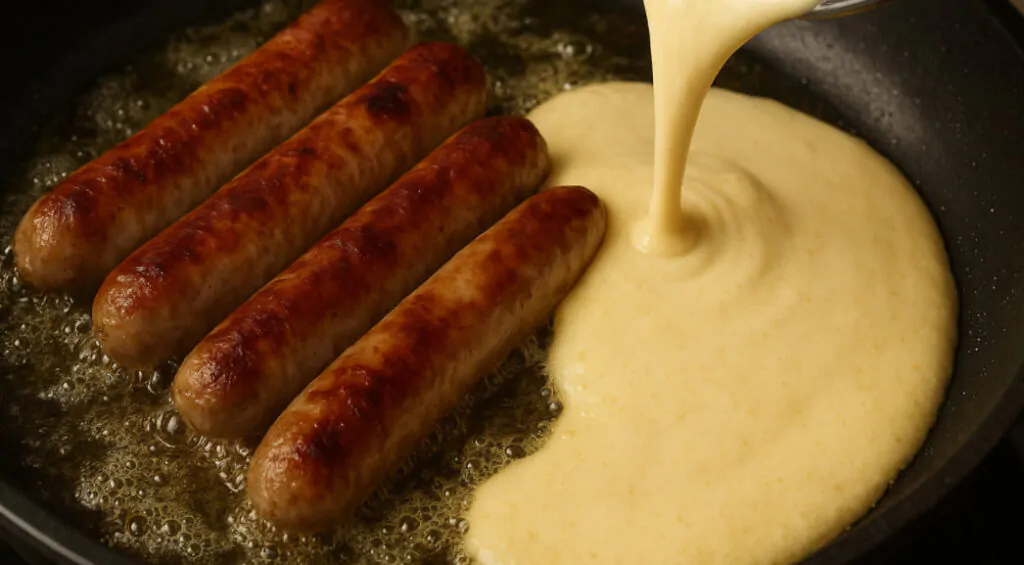
Batter composition traditionally combines eggs, flour, and milk in specific proportions that create the characteristic light, airy texture essential for proper toad in the hole preparation.
Cooking technique requires preheating fat or oil to smoking point before adding batter, ensuring the dramatic rise that creates pockets and holes around the embedded sausages.
Regional pride in Yorkshire pudding excellence influenced how toad in the hole developed, with local cooks competing to achieve the perfect balance of crispy exterior and fluffy interior.
Influences
Folk etymology
suggests multiple possible origins for the name, including children’s games, rural observations of actual toads, and creative wordplay common in British food culture.
Pub culture
helped spread both the dish and its memorable name throughout England, as tavern cooks served hearty portions to working customers who appreciated both flavor and entertainment value.
Literary references
from 19th and 20th century British authors helped cement the name in popular culture, appearing in novels, cookbooks, and household management texts.
Alternative Origin Theories
Hole-in-one theory proposes the name derives from golf terminology, referencing how sausages nestle perfectly into batter depressions like golf balls in holes during the cooking process.
Children’s game connection suggests links to playground activities where participants would hide in designated spots, similar to how sausages hide within the risen batter structure.
Agricultural observations point to rural familiarity with actual toads emerging from holes in fields, providing visual inspiration for naming this distinctive dish appearance.
Evo of Ingredients
Sausage varieties have expanded from basic pork links to include specialty flavors, regional varieties, and artisanal options that enhance the traditional recipe base significantly. Batter enhancements now incorporate herbs, seasonings, different flours, and creative additions while maintaining the essential chemistry needed for proper rising and texture., and modern adaptations include vegetarian versions using plant-based sausages, gluten-free batters, and international fusion variations that respect the original concept while embracing contemporary dietary needs.
Regional Variations and Names
Welsh versions sometimes called “selsig mewn twll” maintain the toad-in-hole concept while incorporating local sausage preferences and slight batter modifications for regional tastes.
Scottish adaptations may feature haggis or other traditional proteins, though the basic preparation method and visual appearance that inspired the original name remain consistent.
International interpretations in countries like Australia and Canada preserve the British name while adapting ingredients to local availability and cultural preferences.
Cooking Science Behind the Name
Steam creation during cooking causes dramatic batter expansion around sausages, creating the holes and cavities that reinforce the toad-in-hole visual metaphor throughout the process.
Fat rendering from sausages combines with hot oil to create optimal conditions for batter rising, ensuring the characteristic appearance that originally inspired the creative naming.
Temperature dynamics between hot fat, room temperature batter, and cooking sausages create the specific texture contrasts that make the dish both visually distinctive and culinarily successful.
Comparative Dish Analysis
Similar concepts appear in other cuisines, such as German sausage pancakes or American pigs in blankets, though none achieved the same memorable naming success as British toad in the hole. Batter based dishes throughout European cooking traditions show how practical techniques evolved differently, with regional preferences influencing both preparation methods and creative naming conventions.
Frequently Asked Questions
- When was toad in the hole first called by this name? The earliest documented use of “toad in the hole” appears in 18th century British cookbooks, though the dish likely existed informally before written recipes.
- Are there other foods with similarly unusual names? Yes, British cuisine features many creatively named dishes like bubble and squeak, spotted dick, and bangers and mash, reflecting cultural humor and visual associations.
- Does the dish actually contain any toad ingredients? No, toad in the hole contains only sausages and Yorkshire pudding batter. The name refers purely to the visual appearance during and after cooking.
- Why didn’t other countries adopt this name? Cultural differences in humor, language, and food naming traditions mean that international versions often use more literal descriptive names for similar dishes.
- Has the recipe changed significantly since its origins? While basic preparation remains consistent, modern versions feature improved ingredients, various sausage types, and enhanced batter recipes while maintaining traditional techniques.
- Is toad in the hole considered fine dining or pub food? Traditionally pub and home cooking fare, though contemporary chefs now create elevated versions for restaurant menus while respecting the dish’s humble origins.
More References:
Oxford English Dictionary https://www.oed.com
British Library (cookery collections) https://www.bl.uk
BBC Food https://www.bbc.co.uk/food
National Trust food heritage pages https://www.nationaltrust.org.uk
Historic UK (food history articles) https://www.historic-uk.com
Victoria and Albert Museum (food related collections) https://www.vam.ac.uk
Article Summary
The phrase why is toad in the hole called toad in the hole attracts interest because the name sounds whimsical and its absolute origin is not conclusively documented. The most durable explanation points to simple visual resemblance sausages rising through an airy batter like small creatures peeping from holes. Secondary factors such as economical kitchen practice playful pub naming and adaptation of earlier meat in batter puddings likely reinforced adoption. Ongoing curiosity endures because the story contains folk charm rather than a single dated proclamation.